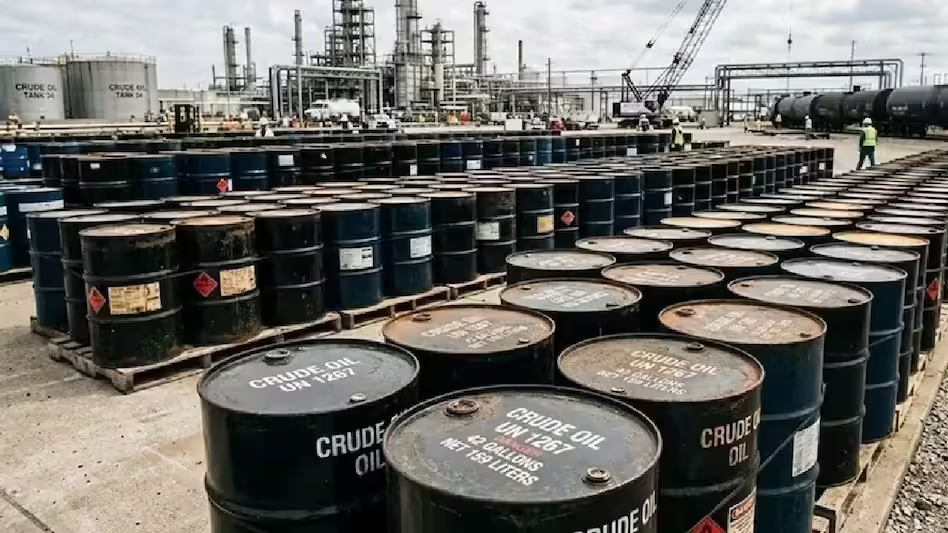
The ongoing tensions between the United States and Iran have started to significantly impact global markets, particularly the prices of crude oil. As geopolitical uncertainties rise, investors are reacting to potential disruptions in oil supply, leading to an increase in crude oil prices worldwide. The fluctuations in oil prices are closely monitored, as they can have far-reaching effects on economies, consumer behavior, and inflation rates. The situation in the Middle East, especially with regard to Iran’s role in the global oil supply chain, has been a focal point of concern for market analysts and policymakers alike.
In India, the repercussions of rising global oil prices are being felt acutely. The government has recently announced new fuel rates, reflecting the increase in international crude oil prices. This adjustment is likely to impact various sectors, particularly transportation and logistics, as higher fuel costs often result in increased expenses for businesses. As transportation costs rise, consumers may also see a hike in the prices of goods and services, leading to a potential strain on household budgets.
The situation is further complicated by the fact that India is heavily reliant on imported oil to meet its energy needs. Fluctuations in global oil prices can therefore have a direct impact on the country’s trade balance and overall economic stability. Policymakers in India are faced with the challenge of managing these rising costs while ensuring that the economy remains resilient. As tensions continue to escalate, it remains to be seen how the situation will evolve and what measures the Indian government will implement to mitigate the impact of these global changes on its domestic market.