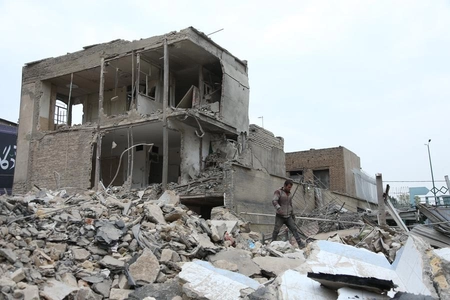
Since the onset of the war, American and Israeli forces have reportedly launched attacks on more than 80,000 civilian locations, according to Iranian officials. This alarming statistic underscores the severity of the conflict and raises significant concerns about the humanitarian impact on the affected populations. The use of military strikes in civilian areas is a contentious issue in international law and has drawn widespread condemnation from various human rights organizations.
The Iranian officials’ statements highlight the scale of destruction and the potential violation of international humanitarian norms that protect civilians during armed conflicts. The targeting of civilian infrastructure not only leads to immediate loss of life but also disrupts essential services such as healthcare, education, and access to clean water, further exacerbating the humanitarian crisis. The international community has a responsibility to respond to these allegations and ensure accountability for any breaches of international law.
Furthermore, the escalation of hostilities between the involved parties raises questions about the long-term implications for regional stability. As the conflict continues, the risk of further civilian casualties increases, leading to a cycle of violence that can be difficult to break. It is crucial for global leaders to engage in diplomatic efforts to de-escalate tensions and protect innocent lives. The situation calls for urgent humanitarian assistance to support those displaced or affected by the violence, as well as a commitment to finding a peaceful resolution to the ongoing conflict.