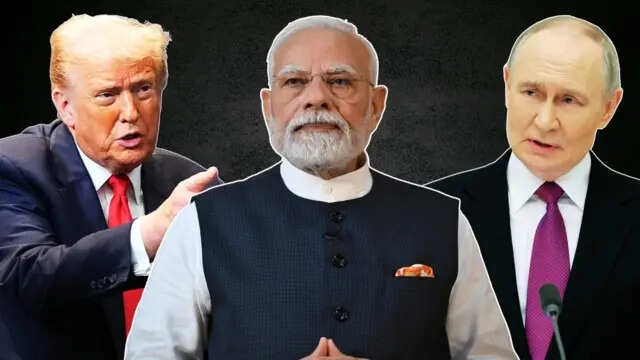
The recent decision by the United States to end the waivers on sanctions against Russia and Iran is poised to significantly impact India’s oil imports. For a country like India, which relies heavily on imported oil to meet its energy needs, this development raises critical questions about the future of its oil supply. The lifting of sanctions means that countries like Iran and Russia, which have been major suppliers of oil to India, may find it challenging to maintain their exports to India, given the potential repercussions from US sanctions.
India has historically imported a substantial volume of oil from both Iran and Russia, but with the US tightening its grip on sanctions, Indian importers will have to reassess their supply chains. This scenario compels India to explore alternative sources of oil, which could involve turning to other oil-producing nations such as Saudi Arabia, Iraq, or even the United States itself. However, this transition may not be seamless, as it could result in fluctuations in prices and supply stability, thereby affecting India’s energy security.
Moreover, India’s strategic partnership with Russia and its growing ties with Iran complicate the situation further. The geopolitical landscape is shifting rapidly, and India’s approach to its energy needs will need to balance its foreign policy objectives with its economic necessities. As the nation navigates these changes, it will be crucial for the Indian government and energy companies to develop strategies that ensure a stable and diversified energy supply, while also mitigating the risks associated with geopolitical tensions and sanctions. Ultimately, the end of waivers on sanctions presents India with both challenges and opportunities in its quest for energy security.