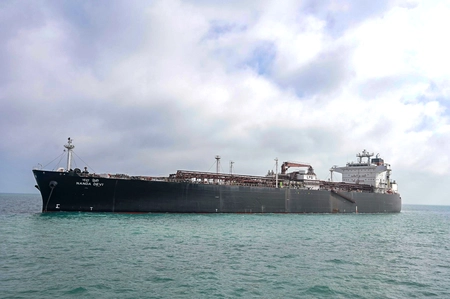
The term “mine sweeping” in the context of the Strait of Hormuz refers to efforts aimed at ensuring maritime security and freedom of navigation in this strategically vital waterway. The Strait of Hormuz, located between Iran and Oman, is a crucial passage for oil shipments and international trade, with a significant percentage of the world’s oil supply passing through it. Given its importance, the region has been a focal point of geopolitical tensions, particularly between Iran and various Western nations. In light of these tensions, the presence of naval mines poses a significant threat to safe navigation, leading to increased interest in mine sweeping operations.
Japan’s interest in mine sweeping operations in the Strait of Hormuz can be attributed to several factors. As one of the world’s largest importers of oil, Japan has a vested interest in maintaining secure shipping lanes for its energy supplies. The potential disruption of oil transport through the Strait could have severe implications for Japan’s economy and energy security. Additionally, Japan has been increasingly proactive in contributing to international security efforts, seeking to balance its pacifist constitution with the need to engage in collective security measures. By participating in mine sweeping operations, Japan aims to play a constructive role in ensuring the stability of this critical maritime route.
Furthermore, Japan’s involvement in mine sweeping could also serve to strengthen its alliances with other nations, particularly the United States. Cooperation in maritime security can enhance diplomatic ties and demonstrate Japan’s commitment to regional stability. However, Japan must navigate its own domestic political landscape, where there are concerns regarding military engagement abroad. The balancing act between contributing to global security and adhering to its pacifist principles will be crucial as Japan considers its role in mine sweeping operations in the Strait of Hormuz. Ultimately, this situation reflects the broader complexities of international relations and the need for cooperative efforts to address shared security challenges in a volatile region.