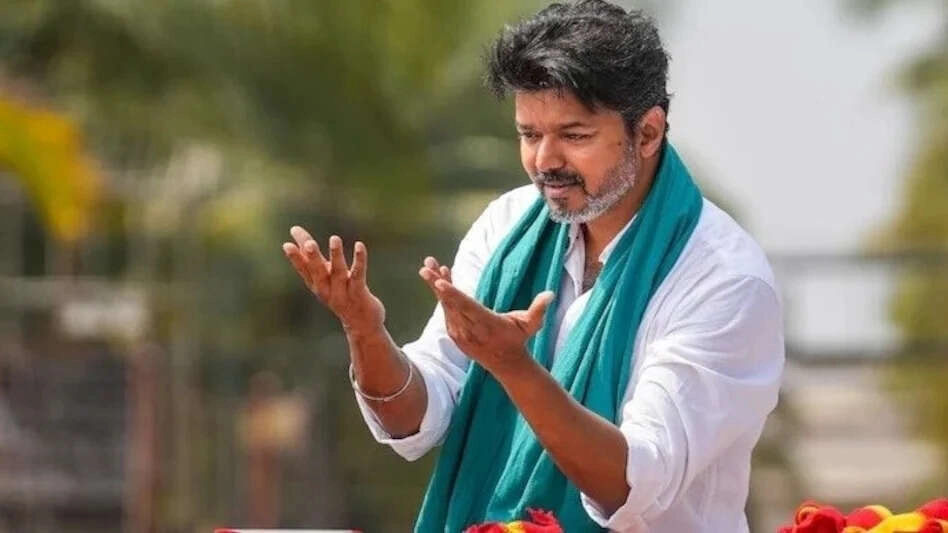
In a surprising turn of events in Tamil Nadu’s political landscape, the Tamil Vaazhvurimai Katchi (TVK) has emerged as the number one party, marking a significant shift in voter sentiment. Traditionally dominated by long-standing political parties, this development indicates a potential reconfiguration of alliances and power dynamics in the state. The rise of TVK, a relatively newer party, suggests that voters are increasingly looking for alternatives to the established political order, seeking fresh leadership and innovative ideas to address pressing issues.
The Dravida Munnetra Kazhagam (DMK), which has been a major player in Tamil Nadu politics for decades, has unexpectedly fallen to the third position. This decline raises questions about the party’s strategies and its ability to connect with the electorate. The shifting preferences of voters could be attributed to various factors, including dissatisfaction with current governance, the desire for change, and the effectiveness of the TVK’s outreach to the public. As DMK supporters pack up their materials in the wake of this electoral setback, it signals a moment of introspection for the party as it grapples with the implications of this unexpected outcome.
The emergence of TVK as a frontrunner could herald a new era in Tamil Nadu politics, where smaller parties might gain more influence and reshape the state’s political discourse. This shift underscores the importance of engaging with grassroots movements and understanding the changing aspirations of the electorate. As political analysts and party leaders assess the implications of these results, it will be crucial to monitor how the landscape evolves in response to this significant electoral shift. The upcoming months will likely see a re-strategizing of political alliances, campaign methods, and voter engagement efforts as parties adapt to the new realities of Tamil Nadu’s political arena.