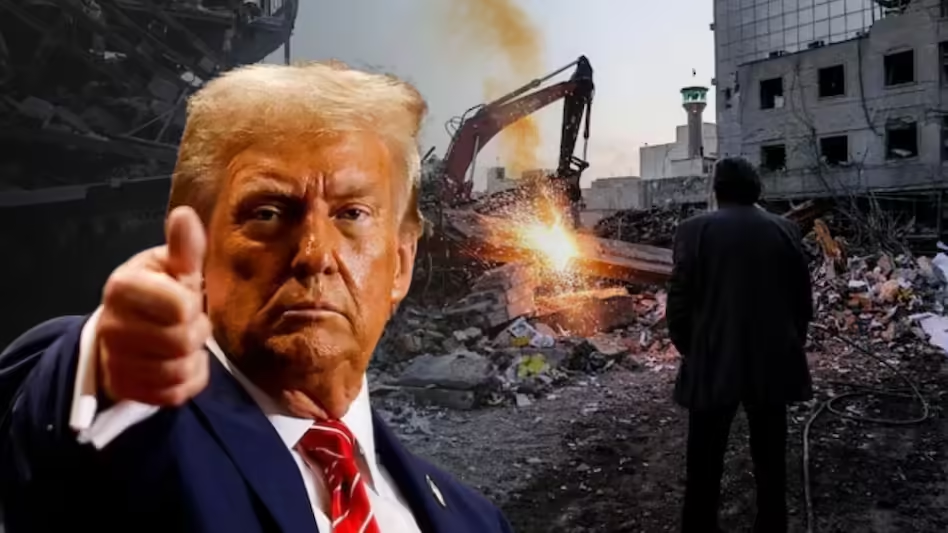
Before the ceasefire came to an end, former President Donald Trump’s alarming statements suggested that significant escalations might be on the horizon. His provocative remarks have heightened tensions, raising concerns about the potential for renewed conflict. The geopolitical landscape is already fraught with uncertainty, and such statements can easily inflame existing hostilities. The question on everyone’s mind is whether these threats will ignite the flames of war once again.
Trump’s rhetoric has a history of stirring controversy, and this time appears no different. With the ceasefire period now over, many are left wondering how various factions will react. The implications of Trump’s words extend beyond mere political posturing; they could influence military strategies and decision-making processes among key players in the region. As nations assess their positions, the risk of miscalculations increases, potentially leading to a rapid escalation of violence.
Additionally, the global community is watching closely. Allies and adversaries alike are trying to gauge the seriousness of Trump’s threats and their potential impact on international relations. In this delicate situation, diplomatic efforts are crucial to de-escalate tensions and prevent an outbreak of hostilities. As the world holds its breath, the stakes have never been higher, and the consequences of a misstep could be catastrophic.
In conclusion, Trump’s recent warnings about impending “big explosions” serve as a stark reminder of the volatility of international relations. As the ceasefire lapses, the focus now shifts to how various parties will navigate this precarious landscape. The potential for conflict looms large, and the actions taken in the coming days will be critical in determining whether peace can be maintained or if war will once again rear its ugly head.