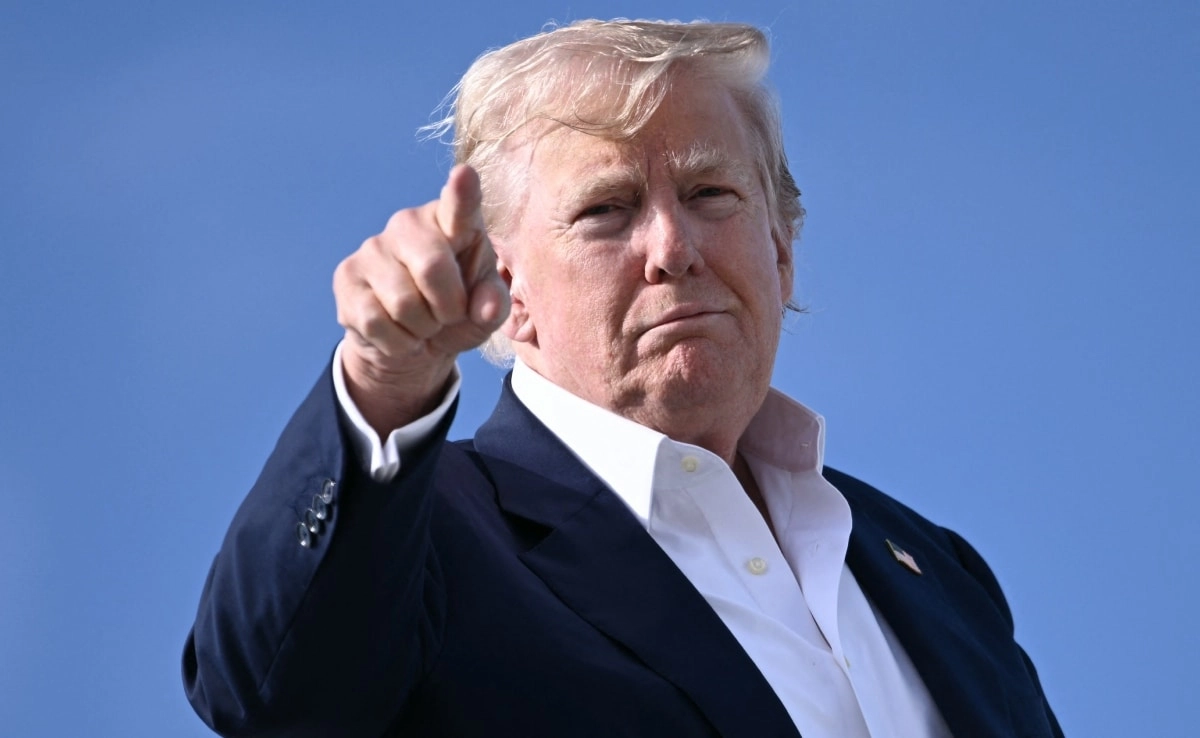
As the deadline for President Trump’s tariffs approaches, the landscape of international trade is undergoing significant changes. The administration has been actively negotiating various trade deals with different countries, aiming to reshape the global trading system in favor of the United States. These efforts are part of a broader strategy to protect American industries and workers from what is perceived as unfair competition from foreign markets. The impending tariffs have prompted nations to engage in discussions to either renegotiate existing agreements or forge new ones altogether, hoping to mitigate the impact of the proposed trade barriers.
In recent months, the United States has signed a series of trade deals that reflect its commitment to fostering stronger economic relationships. Notable among these are agreements with countries such as Canada and Mexico, which were instrumental in replacing the North American Free Trade Agreement (NAFTA) with the United States-Mexico-Canada Agreement (USMCA). This new deal is designed to enhance labor protections, increase agricultural exports, and address intellectual property rights. Similar efforts have been observed in the Asia-Pacific region, where the U.S. has sought to strengthen ties with key allies like Japan and South Korea to counterbalance China’s growing influence in global trade.
Moreover, the U.S. has also been involved in discussions with European nations, aiming to reduce tariffs and promote freer trade across the Atlantic. These negotiations are crucial, as they signal a shift towards more collaborative economic policies that can foster mutual growth. However, as the deadline for the tariffs looms, there is an air of uncertainty regarding how these agreements will hold up against the backdrop of heightened tensions and protectionist sentiments. The success of these trade deals will largely depend on the ability of all parties to navigate the complexities of their economic interests while maintaining a cooperative approach.
As stakeholders await the final decisions on tariffs, the overall impact of these trade agreements remains to be seen. The potential consequences on the markets, domestic industries, and global supply chains are significant. While some sectors may benefit from reduced trade barriers, others may face challenges as tariffs could lead to increased costs and retaliatory measures. Ultimately, the outcome of the tariff situation and the effectiveness of the trade deals signed will shape the future of U.S. trade policy and its relations with other nations in an increasingly interconnected global economy.