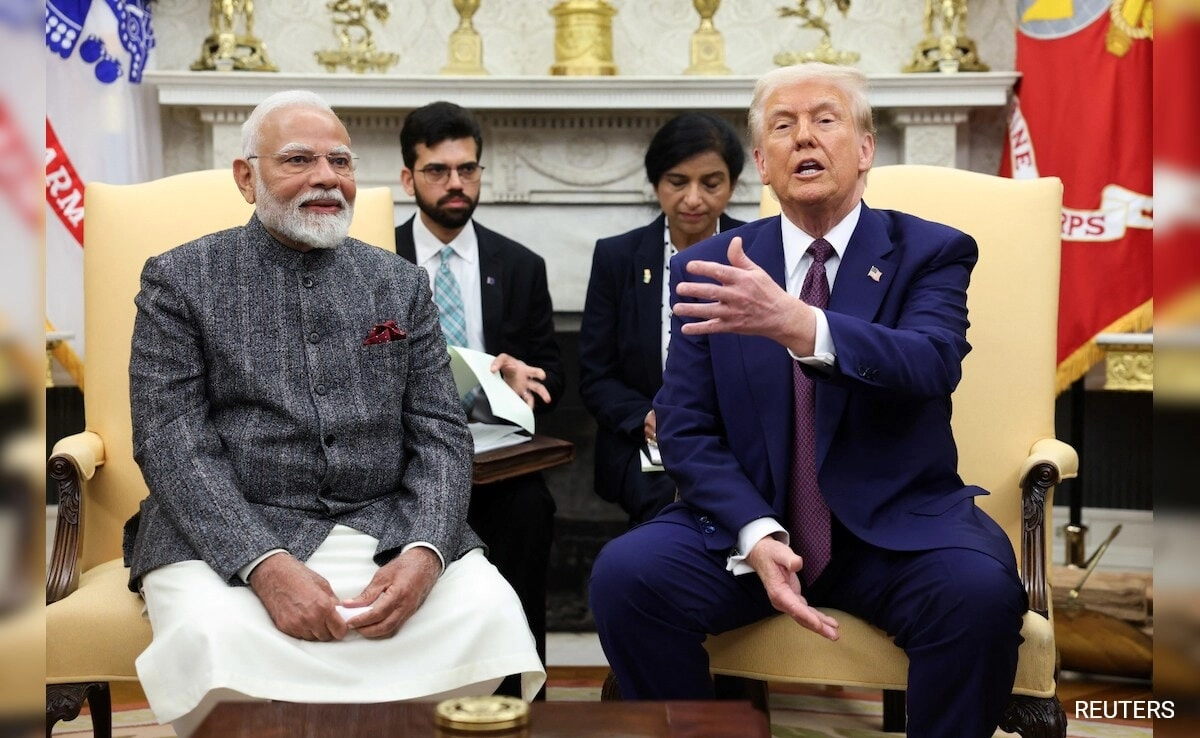
In recent years, trade relations between the United States and India have been marked by a series of complex negotiations and policy shifts, particularly during Donald Trump’s presidency. One of the most notable developments was Trump’s announcement of a 25% “reciprocal tariff” on certain Indian goods. This decision was rooted in the broader context of trade imbalances and the push for fairer trade practices. The idea behind the reciprocal tariff was straightforward: if India imposed high tariffs on American products, then the U.S. would respond in kind, imposing significant duties on Indian imports. This strategy aimed to level the playing field for American businesses and protect domestic industries from what was perceived as unfair competition.
Trump’s administration viewed the existing trade relationship with India as lopsided, with American exports facing higher barriers compared to Indian goods entering the U.S. market. The U.S. had been striving for a more equitable trade arrangement, advocating for reduced tariffs and increased market access for American products. The imposition of the 25% reciprocal tariff was intended to pressure India into negotiating better terms, thereby ensuring that American businesses could compete more effectively. This move resonated with Trump’s broader “America First” policy, which emphasized prioritizing American interests in international trade agreements.
The response from India was swift, as Indian officials expressed concerns over the potential repercussions of such tariffs on their economy. India had positioned itself as a growing market for American goods and services, and the introduction of significant tariffs threatened to strain bilateral relations. Indian leaders sought to engage in dialogue, aiming to resolve the trade disputes amicably and avoid a full-blown trade war. However, the situation was further complicated by broader geopolitical factors, including India’s strategic partnerships with other countries and its own domestic economic priorities.
The 25% reciprocal tariff on Indian imports became emblematic of the Trump administration’s aggressive trade policies. It illustrated the challenges of navigating complex international trade relationships in an increasingly protectionist environment. While the goal of achieving fair trade practices was a central theme, the implementation of such tariffs often led to retaliatory measures and heightened tensions. Ultimately, this episode in U.S.-India trade relations reflected the ongoing struggle between maintaining open markets and addressing perceived inequities in global trade dynamics.