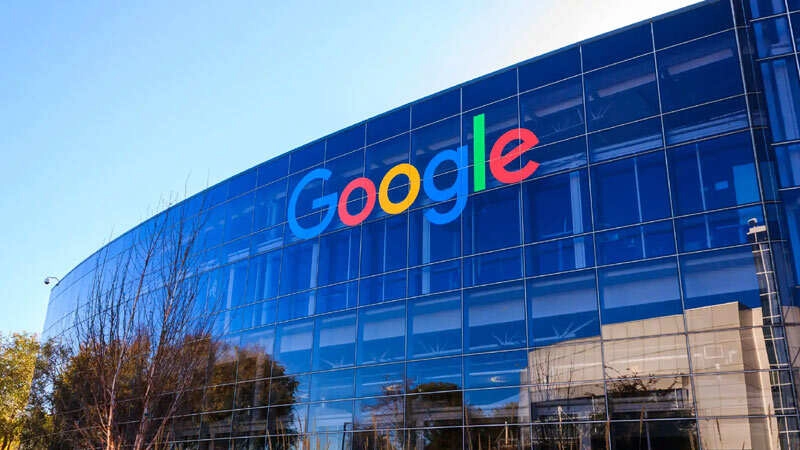
The atmosphere has heated up significantly following Google’s massive fine of 98 billion rupees, which has drawn attention from various quarters. This action is a reflection of increasing scrutiny and regulation faced by tech giants globally, particularly in the European Union (EU). The EU has been actively pursuing measures to ensure that these corporations adhere to fair competition practices and do not abuse their market dominance. Google’s fine is part of a broader trend where regulatory bodies are taking a firmer stance against perceived monopolistic behaviors in the tech industry.
In the midst of this situation, former U.S. President Donald Trump has issued a warning regarding a potential trade war with the EU. He has expressed concerns that aggressive regulatory actions against American companies could lead to retaliatory measures, adversely affecting trade relations between the United States and Europe. Trump’s comments highlight the delicate balance that exists between enforcing fair competition and maintaining healthy international trade dynamics.
As tensions rise, the implications of such regulatory actions and political statements could have far-reaching effects on global markets. Businesses, particularly those in the tech sector, are closely monitoring developments, as they could influence investment strategies and operational decisions. The outcome of this situation may not only reshape the landscape for tech companies but also redefine the relationship between the U.S. and the EU in the context of trade and regulation.