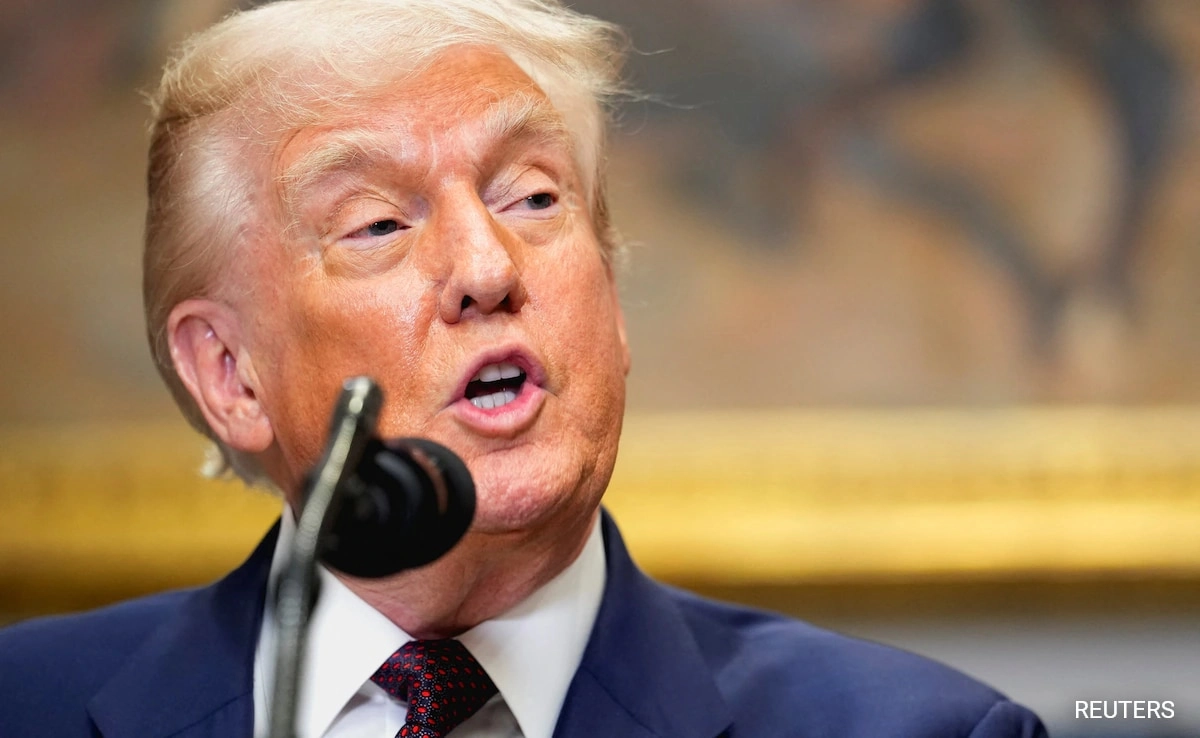
Donald Trump recently commented on reports indicating that India is contemplating halting its imports of Russian oil, calling this decision a “good step.” This statement reflects a significant shift in the global energy landscape, particularly in the context of the ongoing geopolitical tensions stemming from Russia’s actions in Ukraine. With many Western nations imposing sanctions on Russia, countries like India have been navigating a complex web of diplomatic and economic considerations regarding their energy needs and international relations.
India has been one of the largest importers of Russian oil, especially in the wake of rising global oil prices and the need for energy security. However, with increasing pressure from Western allies to reduce dependency on Russian energy, India’s potential move to halt these imports could be seen as aligning more closely with international norms and expectations. Trump’s endorsement of this decision underscores a broader sentiment among some world leaders who view reducing reliance on Russian oil as a critical step towards isolating Russia economically and politically.
Furthermore, this situation highlights the intricate balance that countries must maintain between their energy requirements and their geopolitical alliances. India’s decision, if finalized, could have far-reaching implications not only for its economy but also for global oil markets. A decrease in Russian oil exports would likely impact prices and availability, prompting other nations to adjust their strategies in response to the shifting dynamics. Ultimately, Trump’s remarks suggest that he perceives this potential policy change as a positive development, reinforcing the idea that international cooperation and adherence to sanctions are pivotal in addressing global conflicts and promoting stability.