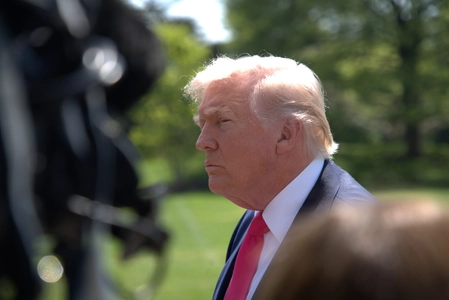
Former President Donald Trump has made significant claims regarding the impact of former President Barack Obama’s policies on Iran. According to Trump, Obama’s administration inadvertently bolstered Iran’s position in the Middle East, allowing the nation to gain more power and influence. He has pointed to financial transactions that he alleges were made under Obama’s presidency, suggesting that billions of dollars were sent to Tehran, which, according to him, further strengthened Iran’s capabilities and ambitions.
Trump’s assertions highlight a broader debate about the efficacy of diplomatic strategies employed by the Obama administration, particularly the Iran nuclear deal, formally known as the Joint Comprehensive Plan of Action (JCPOA). Critics of the deal, including Trump, argue that by easing economic sanctions and providing financial relief, the U.S. inadvertently funded Iran’s military endeavors and its support for groups that threaten regional stability. This perspective underscores a contentious narrative in U.S. foreign policy, where the balance between diplomacy and deterrence remains a critical issue.
The implications of Trump’s claims extend beyond mere political rhetoric; they reflect the ongoing tension in U.S.-Iran relations and the polarized views on how best to approach the complex dynamics of the Middle East. As discussions about Iran’s nuclear ambitions and regional influence continue, the legacy of past administrations remains a focal point in shaping current policies. Trump’s criticisms not only serve to frame Obama’s legacy but also to rally support for a more hardline approach to Iran from his own political base and followers.
In summary, Trump’s allegations about Obama’s policies underscore a significant chapter in U.S. foreign policy, one that continues to evoke strong opinions and debates about the best path forward in managing relations with Iran and ensuring stability in the region.