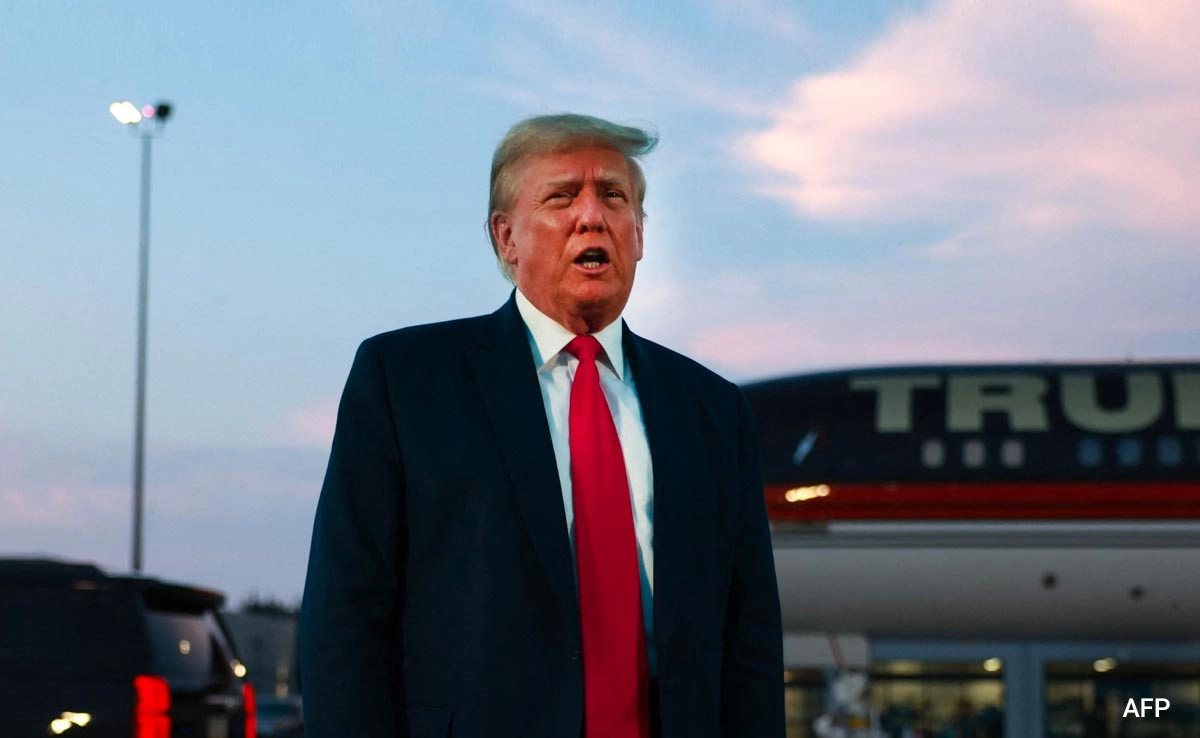
In a significant development on the international stage, former President Donald Trump has announced a ceasefire between Israel and Iran, effectively bringing an end to what has been termed the “12 Day War.” This conflict, which erupted unexpectedly, had escalated tensions in the Middle East and raised concerns about a broader regional conflict. The announcement of the ceasefire signals a pivotal moment in U.S. foreign policy, as it showcases Trump’s ongoing influence in global affairs, even after his presidency. The ceasefire is seen as a crucial step toward stability in a region that has long been fraught with conflict and animosity.
The 12 Day War began with a series of military confrontations between Israel and Iranian forces, resulting in significant casualties and destruction on both sides. The rapid escalation of hostilities drew international condemnation and prompted urgent calls for dialogue and de-escalation. In response to the growing crisis, Trump engaged in diplomatic discussions with leaders from both nations, leveraging his unique position and relationships cultivated during his time in office. His efforts culminated in this announcement, which has been welcomed by many as a necessary move to prevent further bloodshed and promote peace in the region.
The ceasefire agreement, while a temporary solution, opens the door for further negotiations and a potential long-term resolution to the underlying issues that have fueled conflict between Israel and Iran. Analysts are cautiously optimistic about the prospects for peace, noting that a successful dialogue could lead to greater stability not only in Israel and Iran but throughout the Middle East. The involvement of Trump, a figure who remains polarizing in U.S. politics, raises questions about the future of American engagement in Middle Eastern affairs and what role the U.S. will play moving forward.
As the world watches the aftermath of the ceasefire, it is essential to recognize the complexities involved in the Israeli-Iranian conflict. Historical grievances, territorial disputes, and ideological differences have long hindered peace efforts. Nevertheless, the cessation of hostilities represents a glimmer of hope for millions affected by the violence and instability in the region. The next steps will be crucial, as the international community, including the United States, must navigate this delicate situation with care and a commitment to fostering lasting peace.