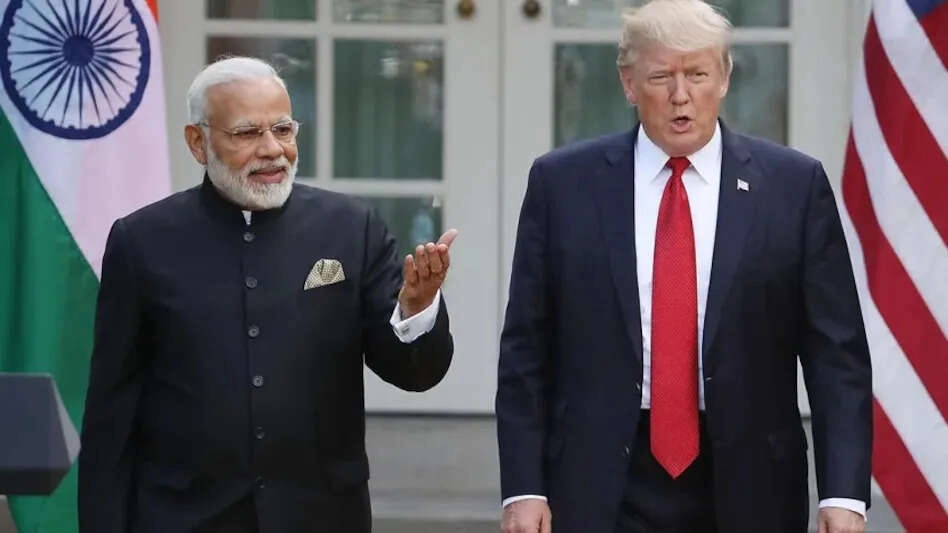
In the midst of the escalating crisis in Iran, a significant dialogue took place between former U.S. President Donald Trump and Indian Prime Minister Narendra Modi. This conversation, which has garnered considerable attention, focused heavily on the strategic importance of the Strait of Hormuz. The Strait, a narrow passage that connects the Persian Gulf to the Gulf of Oman, is a critical chokepoint for global oil shipments, making it a focal point in discussions surrounding regional security and international trade.
During their exchange, both leaders emphasized the necessity of maintaining stability in this vital maritime corridor. The region has witnessed heightened tensions due to various geopolitical factors, including Iran’s nuclear ambitions and its influence over neighboring countries. Trump’s administration had previously taken a hardline stance against Iran, aiming to curb its assertiveness in the Middle East. Modi, representing a country that relies heavily on oil imports, underscored the importance of ensuring uninterrupted access to energy resources flowing through the Strait.
The conversation also touched on broader implications for global security and economic stability. Both leaders recognized that any disruption in the Strait of Hormuz could have far-reaching consequences, affecting not only regional nations but also economies around the world. The dialogue reflects the growing recognition among global leaders of the interconnectedness of geopolitical issues and the importance of collaborative approaches in addressing them. As tensions continue to mount in the region, the insights shared in this conversation may play a crucial role in shaping future diplomatic strategies and actions related to the Iran crisis and its impact on global affairs.