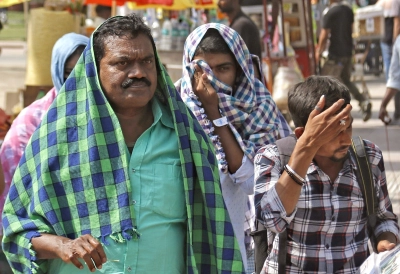
In Tamil Nadu, the upcoming elections are coinciding with a significant rise in temperatures and the likelihood of heatwaves. As the political landscape heats up with fervent campaigning, the state is bracing itself not only for the electoral battle but also for the challenges posed by extreme weather conditions. With temperatures soaring, candidates and their supporters must navigate the sweltering heat while trying to engage voters and rally support for their respective parties.
The timing of the elections amidst rising temperatures presents a unique challenge for political parties. Campaign strategies, traditionally focused on door-to-door outreach and large public gatherings, may need to be adapted to ensure the health and safety of both campaign workers and voters. Political rallies and meetings could be affected by the heat, prompting candidates to shift their approaches to more climate-conscious methods, perhaps favoring evening events or utilizing digital platforms to connect with constituents.
Moreover, the impact of climate on voter turnout cannot be underestimated. People may be less inclined to venture out during the peak heat hours, which could influence the overall electoral process. As candidates strive to make their voices heard, they must also consider how the weather affects public engagement. This intersection of politics and climate underscores the pressing need for a dialogue on environmental issues, particularly as the frequency of extreme weather events continues to rise globally.
As Tamil Nadu prepares for this crucial electoral period, the convergence of rising temperatures and political activity serves as a reminder of the broader implications of climate change on society. The upcoming elections not only reflect the political aspirations of the state’s residents but also highlight the pressing need for adaptation strategies in the face of an increasingly unpredictable climate. It is essential for both voters and candidates to acknowledge these challenges and work collectively towards solutions that address both governance and environmental sustainability.