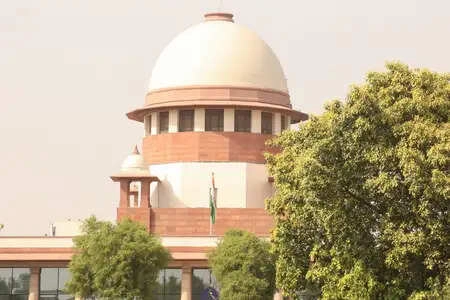
The Supreme Court of India has sought a response from the central government regarding a petition challenging the DMR Act, which stands for the Disaster Management Act. This act is significant as it provides the legal framework for disaster management in the country, outlining the roles and responsibilities of various authorities in responding to natural and man-made disasters. The petition raises concerns over certain provisions of the act, questioning their constitutionality and impact on civil liberties.
The court’s decision to ask for a response indicates the seriousness with which it is treating the matter, as the DMR Act has a crucial role in emergency response and management. The petitioners argue that some clauses within the act may infringe upon individual rights and freedoms, leading to potential misuse of power by authorities during disaster situations. This situation underscores the delicate balance between ensuring public safety and upholding constitutional rights, a balance that the judiciary often has to navigate.
As the Supreme Court awaits the government’s response, this case highlights the ongoing dialogue in India regarding legislative measures and their implications for citizens’ rights. The outcome could set important precedents for how disaster management is approached in the future, especially in terms of accountability and transparency. With the increasing frequency of disasters, both natural and anthropogenic, the effectiveness of the DMR Act and its provisions is more relevant than ever, making this legal proceeding a matter of public interest. The court’s deliberation will be closely watched by legal experts, civil rights advocates, and the general public alike, as it may influence future policies and legislation in disaster management.