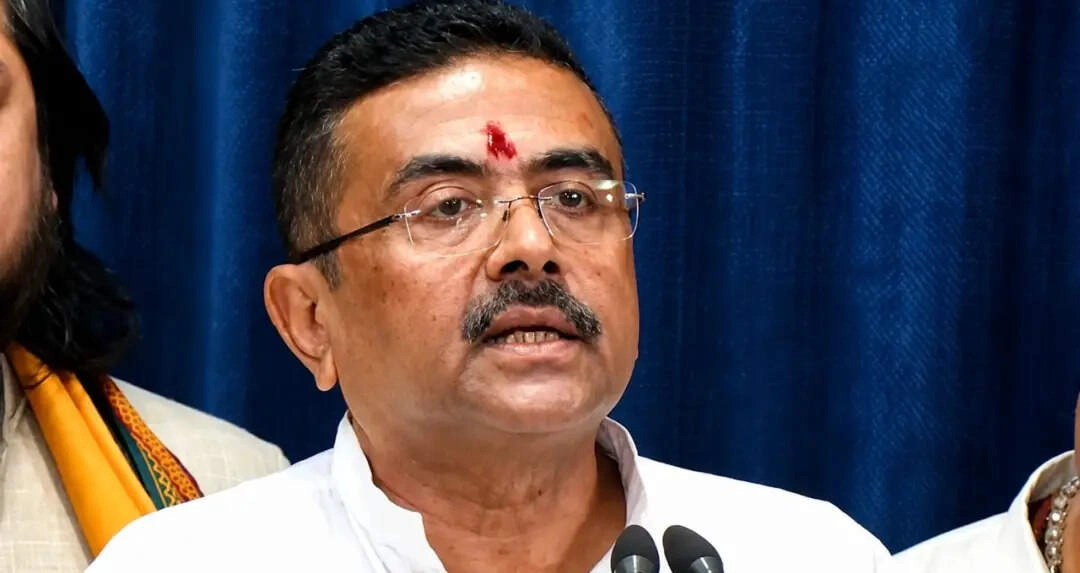
Shankar Ghosh has made a significant statement regarding the political landscape in Bengal, indicating that the Trinamool Congress (TMC) is likely to face dissolution soon. This assertion highlights the growing concerns about the party’s stability and its ability to maintain its influence in the region. The TMC, which has been a dominant force in West Bengal politics for years, is now seemingly at a crossroads, grappling with various challenges that could lead to its downfall.
The commentary by Ghosh reflects a broader sentiment among political analysts and observers who are closely monitoring the TMC’s recent performance. Several factors contribute to this precarious situation, including internal dissent, public dissatisfaction, and the rising popularity of opposition parties. As the political climate evolves, it becomes increasingly crucial for the TMC to address these issues effectively to avoid losing its grip on power.
Furthermore, Ghosh’s prediction may also be seen as a call to action for the party to reassess its strategies and governance approach. The political dynamics in Bengal are complex, and with the upcoming elections on the horizon, the TMC must work diligently to consolidate its support base. If the party fails to adapt to the changing sentiments of the electorate, it risks becoming obsolete in the fast-paced world of regional politics.
In conclusion, the potential dissolution of the TMC, as suggested by Shankar Ghosh, serves as a stark reminder of the volatility inherent in political structures. The party’s future now hinges on its ability to navigate these turbulent waters, engage with the electorate meaningfully, and reaffirm its position as a key player in West Bengal’s political arena. The coming months will be critical in determining whether the TMC can survive this challenging phase or if it will indeed face the consequences of its current trajectory.