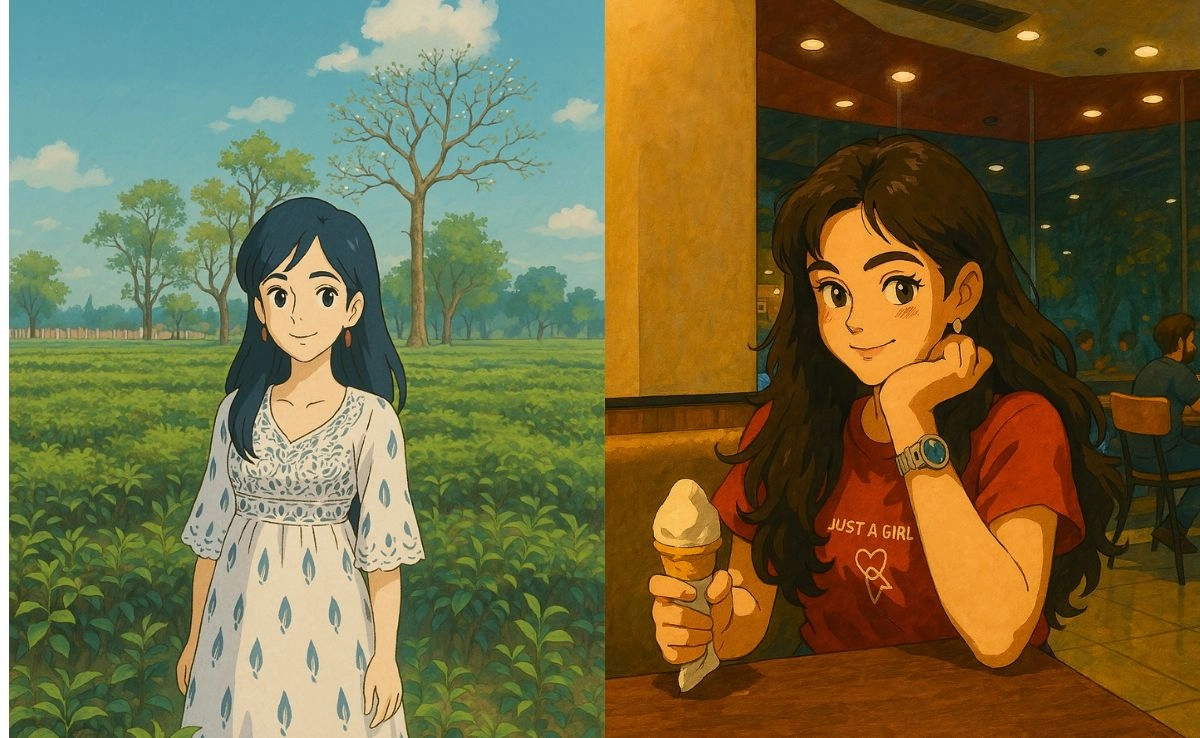
Sam Altman, the CEO of OpenAI, recently emphasized the importance of rest for his team, particularly in the context of the recent viral sensation surrounding Ghibli-style AI-generated art. The whimsical and enchanting visuals reminiscent of Studio Ghibli’s unique animation style have captivated audiences worldwide, leading to a surge of interest and creativity in the realm of artificial intelligence. This unexpected popularity has not only showcased the capabilities of AI in generating stunning artwork but has also placed considerable pressure on the OpenAI team to keep up with the growing demand for innovation and enhancement in their technology.
Altman’s comments highlight a crucial aspect of the tech industry’s fast-paced environment: the need for balance between productivity and well-being. While the excitement surrounding AI advancements can drive teams to push their limits, Altman’s reminder that “the team needs sleep” serves as a sober acknowledgment of the human element behind these technological achievements. The creative processes involved in developing AI tools require not only intellect but also rest and recuperation to foster sustained innovation. This perspective encourages a healthier work culture and recognizes that the best ideas often flourish when individuals are well-rested and mentally sharp.
The rise of AI-generated Ghibli-style art has sparked discussions about the implications of AI in creative fields. As artists and technologists explore the intersection of machine learning and artistry, questions about originality, authorship, and the role of AI in creative expression have come to the forefront. The blend of AI capabilities with human creativity opens up exciting possibilities but also raises ethical considerations regarding the ownership of AI-generated works. As OpenAI continues to develop its technologies, the dialogue surrounding these issues will likely evolve, necessitating thoughtful engagement from both creators and technologists.
In light of these developments, Altman’s advocacy for the well-being of his team underscores the importance of fostering a sustainable work environment in the tech industry. As the boundaries of what AI can achieve continue to expand, it is imperative to remember that innovation thrives best under conditions that support the mental and emotional health of those driving it. Balancing the demands of rapid technological advancement with the necessity for self-care will be crucial as we navigate the future of AI and its impact on art and creativity. As we celebrate the achievements of AI-generated art, let us also recognize the dedicated individuals behind the scenes who make it possible, ensuring they have the time to recharge and continue pushing the envelope of what AI can do.