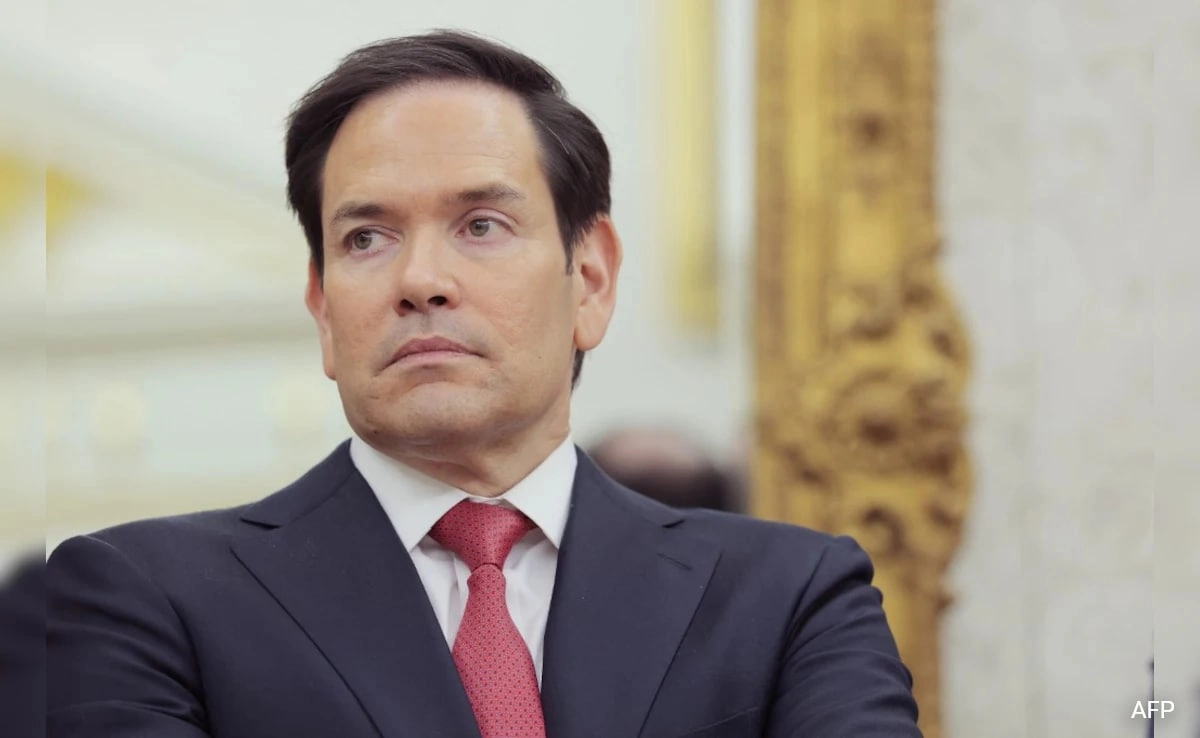
In recent statements, Senator Marco Rubio has expressed grave concerns regarding the potential closure of the Strait of Hormuz by Iran, describing such an act as “economic suicide.” The Strait of Hormuz is a critical waterway through which a significant portion of the world’s oil supply is transported. Any disruption to this passage could have catastrophic implications for global markets and economies, particularly those heavily reliant on oil imports. Rubio’s comments underscore the geopolitical stakes involved in this strategic region, where tensions between Iran and the West have been escalating.
Rubio highlighted that Iran’s threats to close the Strait are not merely bluster; they reflect a broader strategy aimed at asserting its influence in the region. The senator emphasized that such actions could provoke a military response from the United States and its allies, given the strategic importance of ensuring free navigation through this vital corridor. The potential for an escalation in hostilities raises alarms not just among policymakers but also within global economic circles, where uncertainty can lead to volatility in oil prices and broader economic repercussions.
The ramifications of a closure would extend far beyond immediate military conflicts or localized disruptions. An increase in oil prices triggered by such an event could lead to inflationary pressures worldwide, affecting everything from transportation costs to consumer goods. Countries that are heavily dependent on oil imports would find themselves particularly vulnerable, facing economic instability and potential crises. Rubio’s remarks serve as a call to action for a unified response to deter Iran from taking such drastic measures, emphasizing the need for robust diplomatic and military strategies to ensure the security of this essential maritime route.
Ultimately, the situation in the Strait of Hormuz is a reminder of the intricate connection between geopolitical stability and economic health. As nations grapple with the realities of energy dependence and the potential for conflict, the importance of maintaining open and secure trade routes cannot be overstated. Rubio’s warning about economic suicide reflects not only a concern for national security but also a broader awareness of the interconnectedness of global economies in the face of rising tensions. The need for vigilant diplomacy and preparedness has never been more pressing as we navigate these complex international waters.