
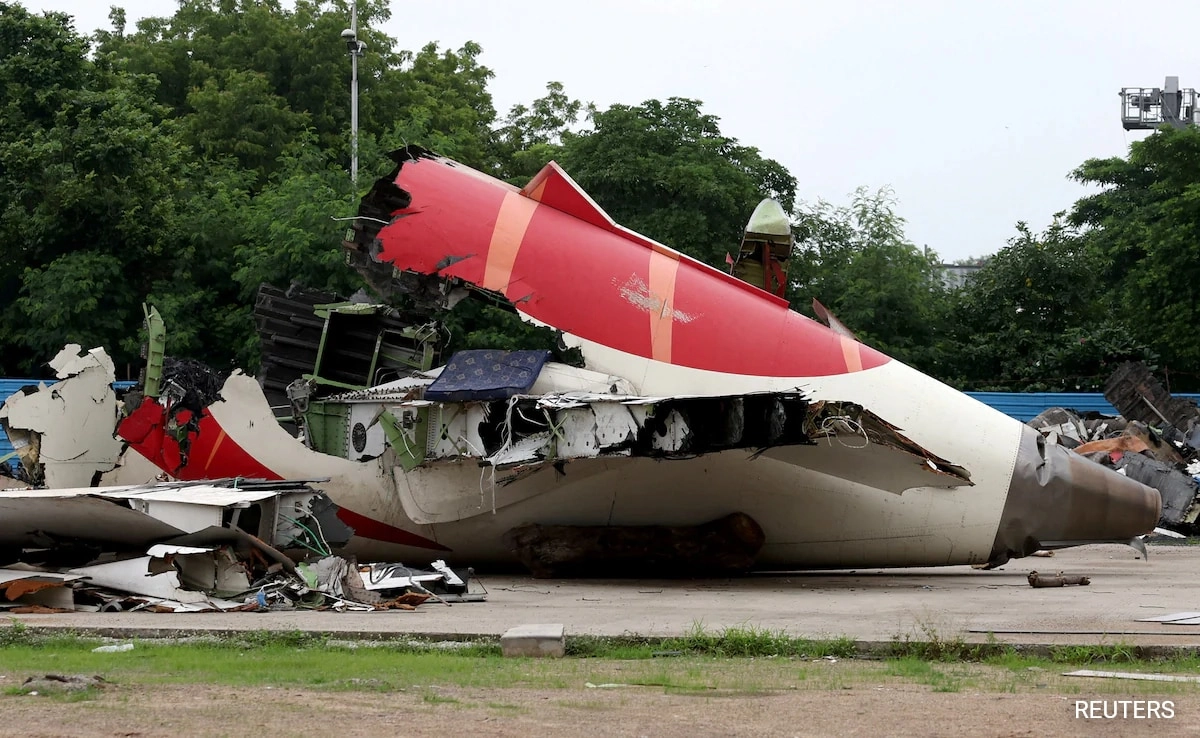
In the wake of the tragic Air India crash, a prominent U.S. lawyer has voiced his concerns regarding the delay in aid and support for the victims’ families. Reflecting on the situation, he pondered how Ratan Tata, the esteemed former chairman of Tata Sons and a figure synonymous with compassion and corporate responsibility, would have approached the matter. Tata has long been admired not only for his business acumen but also for his humanitarian efforts. His leadership style emphasizes the importance of social responsibility, and many believe that had he been more directly involved, there would have been a more immediate and comprehensive response to the crisis.
The lawyer highlighted the critical need for timely assistance in the wake of such disasters. Victims’ families often find themselves in a state of emotional turmoil, grappling with loss while simultaneously facing logistical and financial challenges. In moments like these, swift action and support from both corporations and governmental bodies can significantly alleviate the burdens faced by those affected. The absence of prompt aid can exacerbate an already devastating situation, leading to further grief and complications for the families involved.
Additionally, the lawyer’s remarks underscore a broader issue within the aviation industry and corporate governance. The expectation is not merely for financial compensation but for a holistic approach to disaster response that includes psychological support, community engagement, and transparent communication. Companies like Air India, which are part of larger conglomerates, have a moral obligation to ensure that their response mechanisms are robust and ready to assist in times of crisis. The emphasis on empathy and accountability in corporate practices is essential, and leaders in the industry must prioritize these values to foster trust and support within the communities they serve.
As the investigation into the crash continues, the call for a more humane and efficient response is louder than ever. The legal implications surrounding such tragedies can be complex, but at the heart of these discussions lies the fundamental need for compassion. Leaders in both business and government must take cues from figures like Ratan Tata, who demonstrate that success is not solely measured by profit margins but by the impact one has on society. In honoring the memory of those lost, the focus should remain on ensuring that families receive the support they need in their time of grief, creating a legacy of care and responsibility that transcends the immediate aftermath of the incident.


