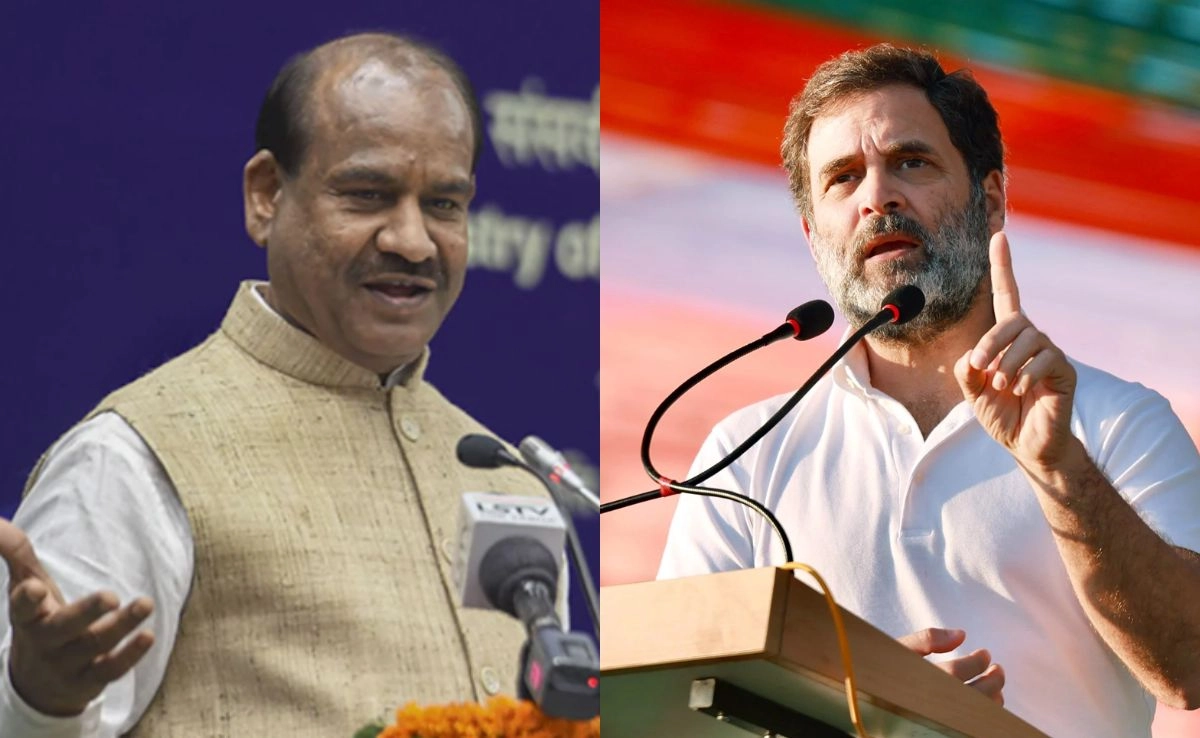
Congress leader Rahul Gandhi recently expressed his frustration regarding what he perceives as an attempt to silence him in the Lok Sabha. During a session in Parliament, he claimed that he was being prevented from voicing his opinions and concerns on significant national issues. This incident underscores a growing tension between opposition parties and the ruling government, particularly regarding the freedom of speech and debate within the legislative assembly. Gandhi’s remarks highlight a broader concern among members of the opposition who feel that their contributions are being overshadowed or disregarded.
The Lok Sabha, as the lower house of India’s Parliament, plays a crucial role in fostering democratic dialogue and debate. However, Gandhi’s assertion raises questions about the mechanisms in place to ensure that all voices are heard, particularly those that challenge the status quo. In a vibrant democracy, it is essential that elected representatives can freely express their views, especially on matters that impact the lives of everyday citizens. The tension between the Speaker’s authority to maintain order and the rights of parliamentarians to speak freely is a delicate balance that must be navigated carefully.
Gandhi’s comments also reflect a broader narrative of political dissent in India, where opposition leaders often voice concerns about being muzzled. This situation may resonate with citizens who value open discourse and accountability from their elected officials. As debates in Parliament are often seen as a reflection of the nation’s health, the ability to engage in constructive criticism and dialogue is vital for the democratic process. The incident serves as a reminder of the ongoing challenges faced by opposition parties in a political landscape that is increasingly polarized.
In light of these developments, it is crucial for the Lok Sabha to uphold its commitment to democratic principles. Ensuring that all members have the opportunity to speak and contribute to legislative discussions is fundamental to maintaining the integrity of the parliamentary system. As the opposition continues to push back against perceived injustices, the role of the Speaker and the governing party will be scrutinized more closely. The ability to foster an environment of open dialogue is not just a matter of parliamentary procedure but a cornerstone of a thriving democracy.