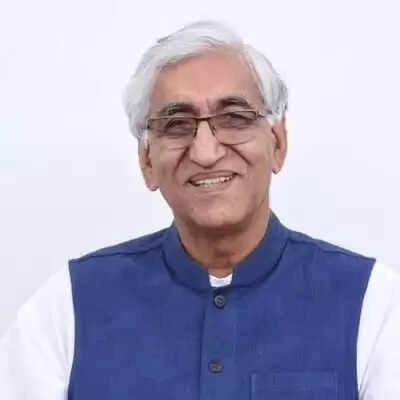
T.S. Singh Deo has highlighted an instance of ‘opportunism’ represented by Raghav Chadha. In the political arena, opportunism refers to the act of taking advantage of situations for personal or party gain, often disregarding ethics or principles. Singh Deo’s comments suggest that he perceives Chadha’s actions as a strategic maneuver aimed at capitalizing on circumstances rather than a genuine commitment to public service or the welfare of the people.
Raghav Chadha, associated with the Aam Aadmi Party (AAP), has been active in various political discussions and initiatives. However, Singh Deo’s critique implies that Chadha’s approach may lack sincerity and is more about seizing favorable moments to enhance his political standing. This notion of opportunism can be detrimental to political integrity, as it may lead to decisions that prioritize short-term benefits over long-term solutions for the community.
In a broader context, the concept of opportunism in politics is often debated among scholars and analysts. While some argue that adaptability and seizing opportunities are essential traits for effective leadership, others warn against the potential pitfalls of such an approach. It raises questions about the moral responsibilities of politicians and the impact of their choices on public trust and governance.
As political dynamics continue to evolve, discussions like those initiated by Singh Deo serve as a reminder of the importance of accountability and ethical standards in leadership. Voters are increasingly seeking transparency and integrity from their representatives, making it crucial for politicians like Raghav Chadha to navigate these perceptions carefully. The balance between seizing opportunities and maintaining ethical conduct will ultimately define the future of political engagement in the region.