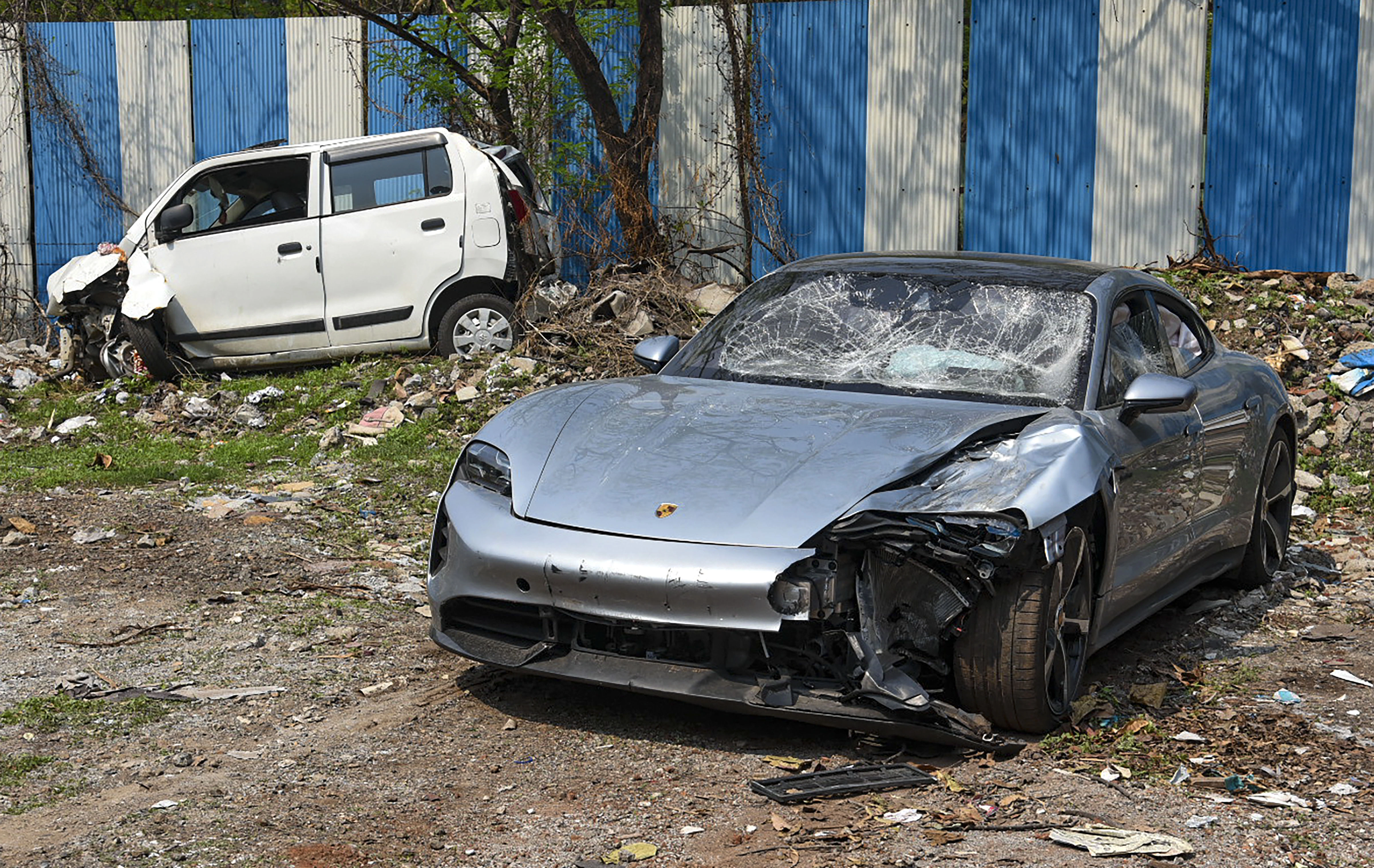
In a significant legal development, the Pune Porsche case has captured public attention as a teenager, who was allegedly driving under the influence, has successfully evaded trial as an adult. The incident that sparked this controversy involved a fatal accident in Pune, where the teenager was reportedly behind the wheel of a high-end Porsche vehicle while intoxicated, leading to a tragic collision that resulted in the loss of life. The court proceedings have raised numerous questions regarding the legal treatment of minors in serious criminal cases, particularly those involving reckless behavior and severe consequences.
During the court hearings, the defense argued that the teenager should be treated as a minor under juvenile laws, which offer different standards and protections compared to adult trials. This argument was rooted in the age of the accused, who, despite being involved in a grave incident, is still considered a minor under Indian law. The prosecution, on the other hand, sought to classify the case as one that warranted adult trial status due to the severity of the crime and the implications of driving under the influence. However, the court ultimately sided with the defense, leading to widespread debate and criticism regarding the legal system’s handling of such cases.
The outcome of this trial has stirred public outrage, particularly among the victims’ families and advocates for stricter accountability for reckless driving. Many believe that allowing the teenager to escape adult trial diminishes the gravity of the offense and sets a troubling precedent for future cases involving young offenders. The case has reignited discussions about the balance between rehabilitation for young offenders and the necessity of ensuring justice for victims of serious crimes. As the legal proceedings continue, the implications of the court’s decision will likely resonate within the community and influence ongoing dialogues about juvenile justice reform in India.