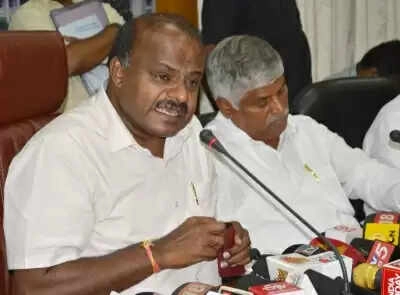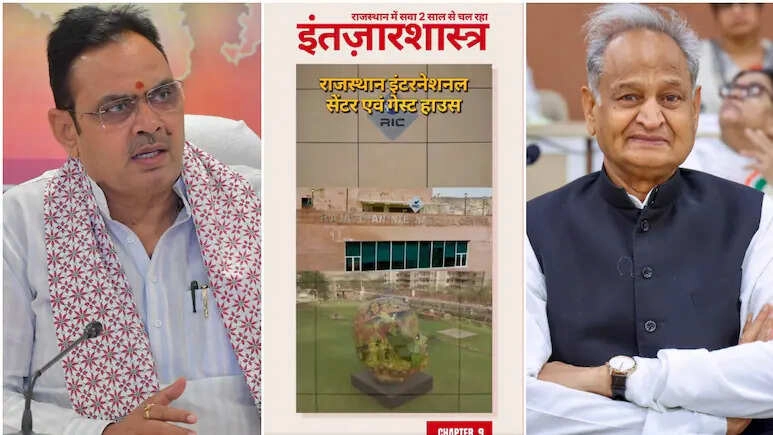
The dispute surrounding the RIC Guest House has ignited political tensions, with Chief Minister Ashok Gehlot criticizing the government for its handling of the situation. The controversy revolves around allegations of mismanagement and lack of transparency in the operations of the guest house, which is intended to accommodate various dignitaries and officials. Gehlot’s assertions highlight concerns about the government’s accountability and its commitment to maintaining proper standards in state-run facilities.
As the situation unfolds, various political factions are seizing the opportunity to voice their opinions and rally support. Gehlot’s opposition to the government’s actions is not just limited to this specific issue; it reflects a broader critique of the administration’s overall governance and effectiveness. The guest house controversy has become a focal point for discussions about the quality of public services and the need for reform in state management.
The RIC Guest House dispute serves as a microcosm of larger political dynamics in the region, where issues of transparency, governance, and public trust are increasingly at the forefront. As the debate intensifies, both supporters and critics of the government are likely to engage in a battle of narratives, each seeking to sway public opinion in their favor. The outcome of this controversy could have implications for future political alignments and the electorate’s perception of the ruling party’s capabilities.