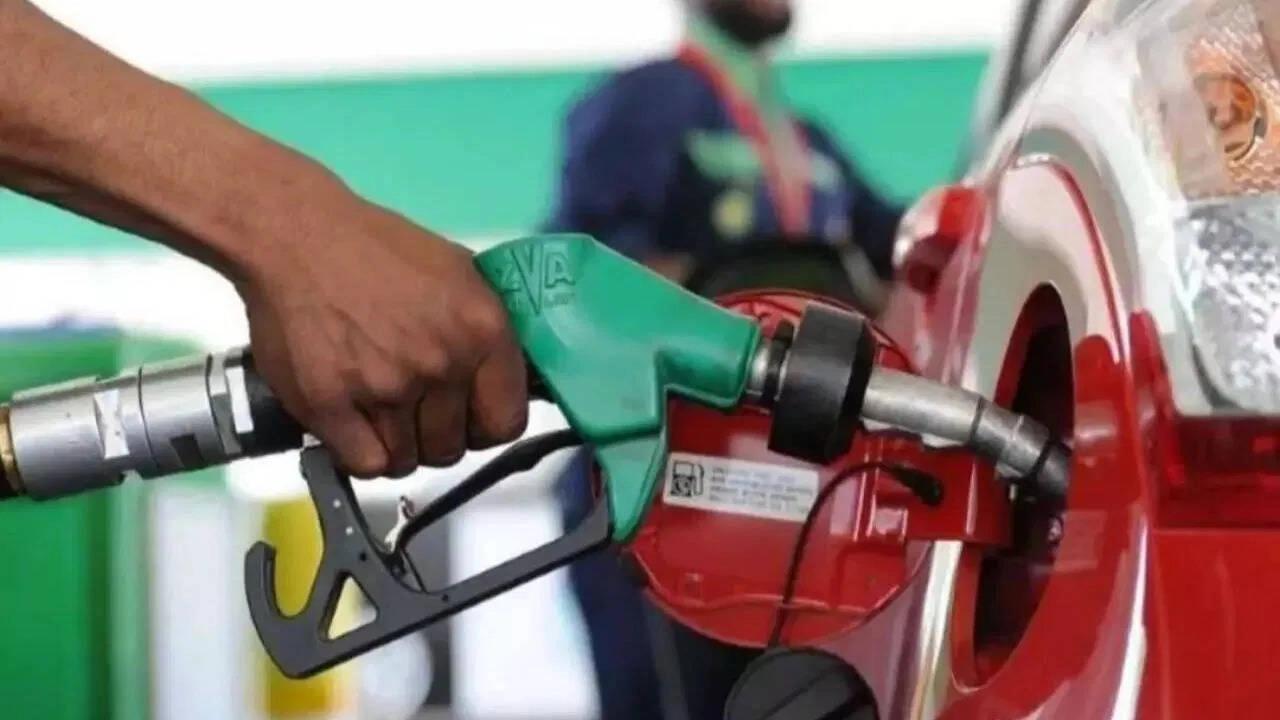
The pricing of petrol in India is a complex interplay of various factors, where the government and oil companies both have significant stakes in the revenue generated from fuel sales. At first glance, the price of petrol may seem straightforward, but a closer examination reveals a hidden game involving taxes, production costs, and profit margins.
When you purchase one liter of petrol, a substantial portion of the price is attributed to government taxes. The central and state governments impose various levies, including excise duty and value-added tax (VAT), which can account for nearly 60% of the retail price. This means that for every liter sold, a significant amount goes directly to the government coffers, providing funding for various public services and infrastructure projects.
On the other hand, oil companies also play a crucial role in this pricing structure. They have their own production and operational costs, which include crude oil procurement, refining, and distribution. After accounting for these expenses, the companies set their profit margins. The remaining portion of the fuel price is what the companies earn from each liter sold, which, while considerably less than the government’s share, still amounts to a significant sum.
Understanding this dynamic is essential for consumers, as fluctuations in global crude oil prices, changes in taxation policies, and shifts in currency values can all impact petrol prices at the pump. Consequently, the seemingly simple act of filling up a tank is influenced by a wide array of economic factors, making it a subject of ongoing debate and discussion among policymakers, economists, and the general public alike.