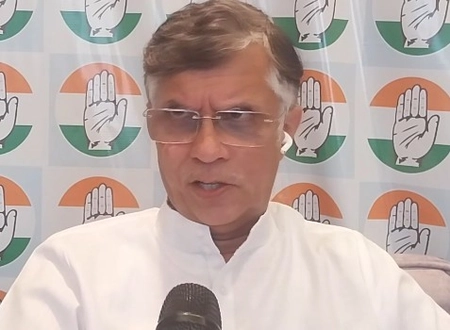
In the past eleven years, there have been approximately twelve increases in the excise duty on petrol and diesel, as stated by Pawan Khera. This significant rise in taxation has raised concerns among the general public and has sparked debates regarding the government’s approach to fuel pricing. The frequent hikes in excise duty over the years have not only impacted the cost of fuel but have also contributed to the overall inflation rate in the economy.
The continuous increase in excise duty can be seen as a strategy to bolster government revenue, but it has also placed a heavy burden on consumers. With the prices of petrol and diesel reaching unprecedented levels, citizens are feeling the pinch in their daily expenses, affecting their overall quality of life. Transport costs have surged, leading to higher prices for goods and services, which in turn can stifle economic growth.
Pawan Khera’s remarks highlight the need for a more balanced approach to fuel taxation. While it is essential for the government to generate revenue, it is equally important to consider the economic implications of such tax policies on the common man. A comprehensive review of the excise duty structure, alongside measures to stabilize fuel prices, could provide relief to consumers and support economic stability in the long run. As discussions around fuel pricing continue, it will be crucial for policymakers to address these challenges and find equitable solutions that benefit both the economy and the populace.