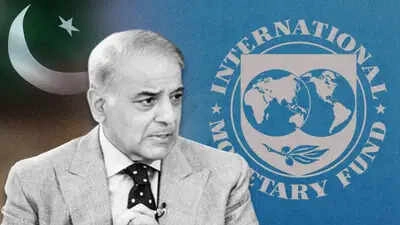
Pakistan is currently grappling with a severe financial crisis, burdened by an overwhelming debt that has left the country seeking assistance once again from the International Monetary Fund (IMF). The government’s inability to stabilize the economy has forced Prime Minister Shahbaz Sharif to approach the IMF for relief measures, highlighting the dire situation the nation faces. The economic challenges are multifaceted, encompassing rising inflation, dwindling foreign reserves, and a depreciating currency, all of which have exacerbated the plight of ordinary citizens.
As the crisis deepens, the Pakistani government is under immense pressure to implement stringent economic reforms to secure the much-needed financial support from the IMF. This situation reflects a cycle of dependency, where the nation finds itself repeatedly turning to international creditors for assistance. The negotiations with the IMF are crucial, as they often come with stringent conditions that can lead to further austerity measures, impacting the socio-economic fabric of the country.
The repercussions of this financial turmoil are being felt across various sectors, with businesses struggling to survive and the cost of living skyrocketing. Citizens are facing challenges in meeting their daily needs, leading to widespread discontent. The government’s efforts to stabilize the economy will require not only fiscal discipline but also a long-term strategy to boost growth and restore confidence among investors. As Pakistan navigates through this challenging period, the need for effective governance and sustainable economic policies has never been more critical.