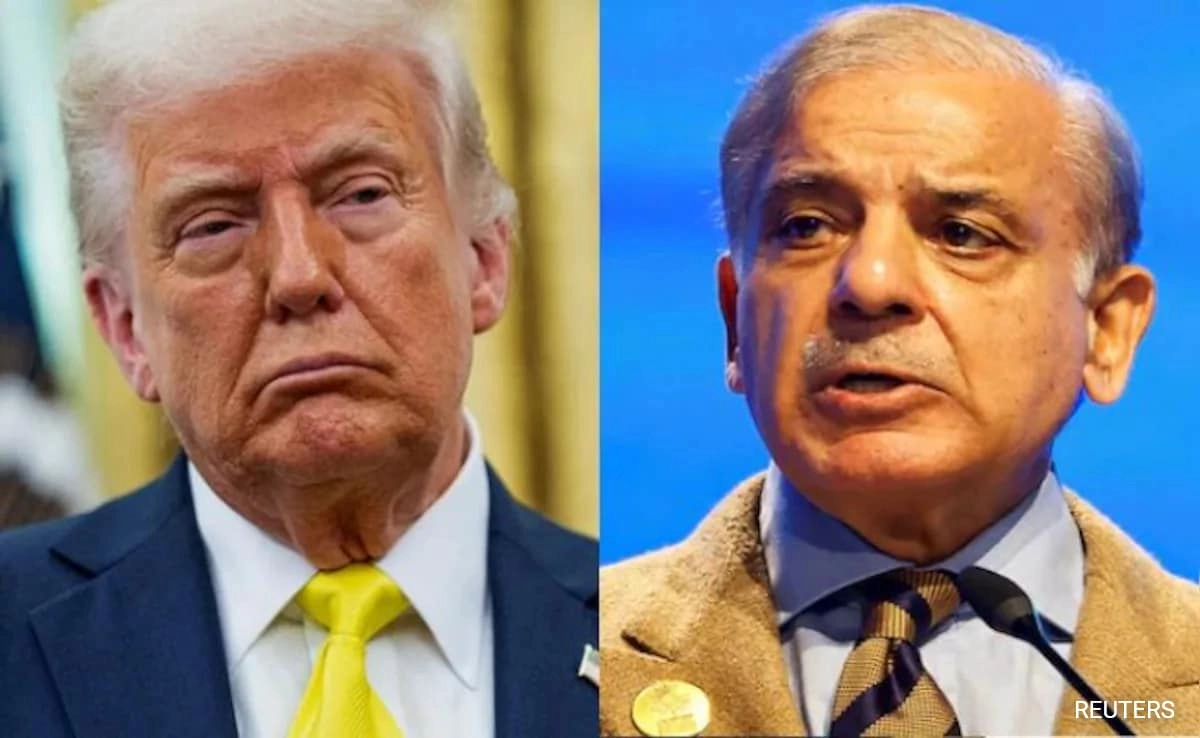
In a surprising turn of events, Pakistan’s government has publicly condemned the United States for its recent military actions against Iran, which followed closely on the heels of nominating former President Donald Trump for a Nobel Prize. The juxtaposition of these two significant actions highlights the complex dynamics of international relations, especially in the context of the Middle East. The bombing operations undertaken by the U.S. have drawn criticism from various nations, with Pakistan being one of the more vocal opponents, emphasizing the need for diplomatic solutions over military interventions.
The timing of Pakistan’s condemnation raises questions about the implications of the U.S. foreign policy in the region and its potential impact on global peace efforts. By nominating Trump for a Nobel Prize, which is often awarded for contributions to peace, the U.S. seems to be sending mixed signals. Critics argue that military actions, such as the recent bombings in Iran, contradict the very essence of what the Nobel Peace Prize represents. This inconsistency has not gone unnoticed by the international community, as countries like Pakistan call for a reevaluation of U.S. strategies that prioritize military might over constructive dialogue.
Moreover, Pakistan’s stance is rooted in its own geopolitical interests and historical experiences with U.S. interventions in the region. The nation has often experienced the fallout of military actions in neighboring countries, which frequently exacerbate regional tensions and lead to humanitarian crises. By voicing its condemnation, Pakistan aims to assert its position as a state that values sovereignty and advocates for peaceful resolutions to conflicts. This incident serves as a reminder of the delicate balance that nations must navigate in their diplomatic engagements, particularly when faced with aggressive foreign policies from powerful nations like the United States.
In light of these developments, the international community is left to ponder the effectiveness of U.S. foreign policy and the broader implications of its military actions. The nomination of Trump for a Nobel Prize, while intended to celebrate achievements in peace, becomes overshadowed by the reality of ongoing conflicts and violence in the region. As countries like Pakistan take a stand against such actions, it is crucial for the U.S. to reconsider its approach and engage in meaningful dialogue that promotes stability and cooperation. The future of international relations may very well depend on the ability of nations to prioritize diplomacy and mutual respect over military aggression.