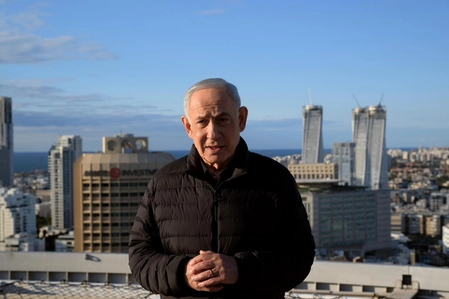
Israeli Prime Minister Benjamin Netanyahu has confirmed that a temporary ceasefire in Lebanon has been approved at the request of former President Donald Trump. This development comes amid ongoing tensions in the region, where military actions have escalated recently. Netanyahu’s acknowledgment of the ceasefire indicates a significant diplomatic move, as it aims to reduce hostilities and provide a respite for civilians caught in the conflict.
The approval of the ceasefire reflects the intricate web of international relations and the influence of global leaders on regional conflicts. Trump’s involvement underscores the importance of U.S. foreign policy in the Middle East, particularly in mediating disputes and fostering peace efforts. This move is seen as a potential step towards de-escalating tensions not only in Lebanon but also in neighboring regions where similar conflicts have posed a threat to stability.
As the ceasefire takes effect, it is crucial to monitor the reactions of various stakeholders in the region, including militant groups and government forces. The success of this temporary measure will depend on the commitment of all parties involved to adhere to the agreement and to pursue dialogues aimed at achieving a lasting peace. The international community will be watching closely, hoping that this ceasefire can lead to broader discussions about conflict resolution and cooperation in the area.