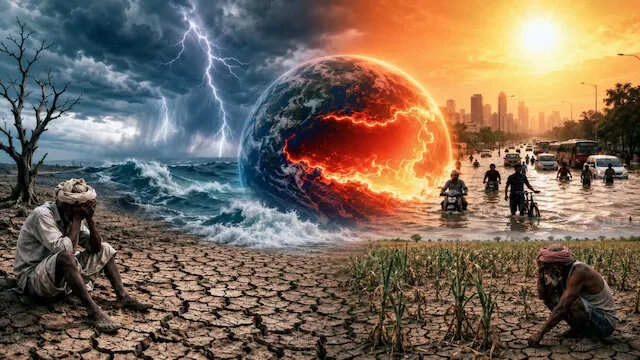
NASA has raised alarms regarding the activation of a dangerous El Niño phenomenon in the Pacific Ocean, which has sparked growing concerns globally. El Niño is characterized by the warming of the ocean surface waters, which can significantly impact weather patterns across the world. The current situation has scientists worried about its potential effects on countries, especially India, which is known for its reliance on monsoon rains for agriculture and water supply.
The implications of a strong El Niño can be severe, leading to altered rainfall patterns. In India, this could mean a delayed or diminished monsoon season, which is critical for the country’s agricultural output. A weak monsoon can jeopardize crop yields, affecting food security and the livelihoods of millions of farmers. Additionally, the rise in ocean temperatures can also lead to more intense and frequent storms, resulting in further unpredictability in weather conditions.
Furthermore, the impact of El Niño is not limited to just weather changes; it can also disrupt marine ecosystems. Warmer ocean temperatures can lead to coral bleaching and affect fish populations, which are vital for both local economies and global food supplies. The interconnectedness of climate systems means that the ramifications of this phenomenon can be felt far beyond the shores of the Pacific, making it a pressing issue for governments and organizations around the world.
In light of NASA’s warning, it is crucial for countries, especially those like India, to prepare for the potential challenges posed by El Niño. This includes investing in climate resilience, improving water management systems, and implementing early warning systems to better predict and respond to extreme weather events. By acknowledging the risks associated with this climate pattern, nations can work towards mitigating its effects and safeguarding their populations against potential disasters.