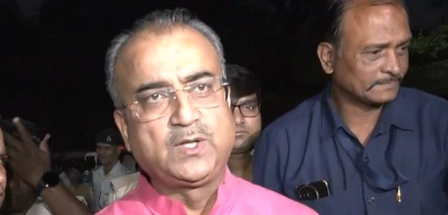
On May 4, a significant political event is anticipated as Mangala Pandey asserts that the public is poised to remove Mamata Banerjee from power. This statement reflects the growing dissent among the electorate towards Banerjee’s leadership in West Bengal. Over the years, there have been various discussions and debates surrounding her governance, with some citizens expressing dissatisfaction with her administration’s handling of key issues such as economic development, law and order, and social welfare programs.
Pandey’s assertion indicates that there is a movement gaining momentum among the populace, suggesting that voters are ready for a change in leadership. The political climate in West Bengal has been charged with differing opinions about the effectiveness and direction of Banerjee’s policies. As the date approaches, it will be crucial to observe how political parties and candidates position themselves to capture the attention and support of the electorate.
The impact of this potential shift in leadership could be significant, not just for West Bengal, but for the broader political landscape of India. A change in leadership could bring about new policies and priorities, reshaping the state’s approach to governance. As the election date nears, the political strategies employed by various parties will likely intensify, with a focus on addressing the concerns of the voters and presenting compelling visions for the future of West Bengal. The outcome of this election could very well serve as a bellwether for upcoming elections in other states, reflecting wider trends in public sentiment and political alignment across the nation.