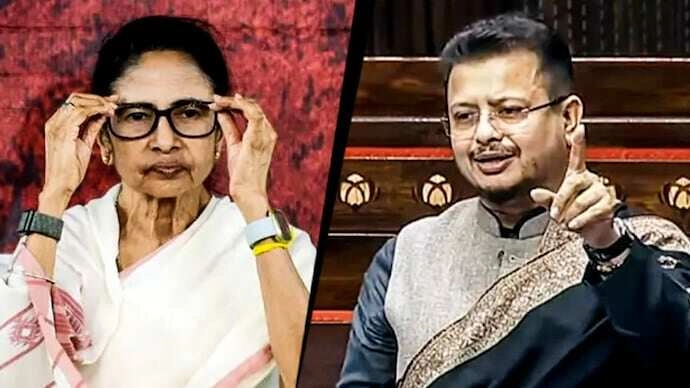
The political landscape of West Bengal has witnessed a significant development with the ongoing dispute between Mamata Banerjee and Ritabrata Banerjee regarding the identity of the ‘real TMC’ or Trinamool Congress. This internal conflict has escalated to the point where the Election Commission has become involved, underscoring the importance of party identity in the context of upcoming elections. Mamata Banerjee, the Chief Minister and the face of the party, has been a dominant figure in West Bengal politics for over a decade. Her leadership has shaped the party’s policies and image, making her synonymous with the TMC.
On the other hand, Ritabrata Banerjee, a former youth leader of the party, has been vocal about his dissent and has challenged the current leadership’s direction. His claims to represent a faction of the TMC raise questions about the party’s unity and direction. This rift is not merely a personal conflict; it reflects deeper ideological divides within the party and can potentially influence voter sentiment and party loyalty as the elections approach. The involvement of the Election Commission indicates that this dispute is not just an internal matter but has implications for the party’s recognition and legitimacy in the eyes of the electorate.
As the Election Commission assesses the situation, it is crucial for both factions to present their cases clearly. The outcome of this dispute could determine which faction is recognized as the ‘real TMC,’ impacting candidate nominations and campaign strategies. The resolution of this identity crisis is vital not only for the party’s stability but also for the political dynamics of West Bengal. Voters will be watching closely to see how this conflict unfolds and which leader ultimately claims the mantle of the state’s ruling party. This situation could set a precedent for how internal disputes within political parties are handled in the future, highlighting the need for cohesive leadership in maintaining party identity.