
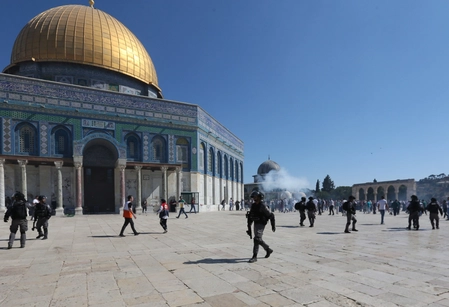
Maldives has condemned Israel’s decision to close the doors of the Al-Aqsa Mosque, highlighting the ongoing tensions and conflicts surrounding this significant religious site. The Al-Aqsa Mosque, located in Jerusalem, is one of the holiest places in Islam and is a focal point for the Muslim community worldwide. The closure of its doors not only restricts access for worshippers but also symbolizes the broader issues of control and sovereignty in the region. The Maldivian government, reflecting the sentiments of its people, has expressed deep concern over the actions taken by Israel, which they view as an infringement on the rights of Palestinians and an attack on Islamic heritage.
In recent years, the situation in Jerusalem has become increasingly volatile, with numerous incidents escalating tensions among various groups. The Al-Aqsa Mosque has been at the center of these conflicts, often becoming a flashpoint for clashes between Israeli forces and Palestinian protesters. The Maldives, along with many other Muslim-majority countries, has consistently voiced its support for the Palestinian cause and condemned actions that undermine their rights. The closure of the mosque’s doors is seen as a provocative act that could lead to further unrest and violence in an already fragile environment.
The Maldives’ condemnation is part of a larger narrative of international responses to Israel’s policies in Jerusalem and the West Bank. Many nations and organizations have called for a peaceful resolution to the Israeli-Palestinian conflict, emphasizing the need for dialogue and mutual respect for religious sites. The Maldivian government’s statement serves as a reminder of the urgent need for a solution that recognizes the rights of all parties involved and safeguards the sanctity of religious practices. As the global community watches the developments in this region, it becomes increasingly important for countries to advocate for peace and coexistence, ensuring that such significant places remain accessible to worshippers of all faiths.


