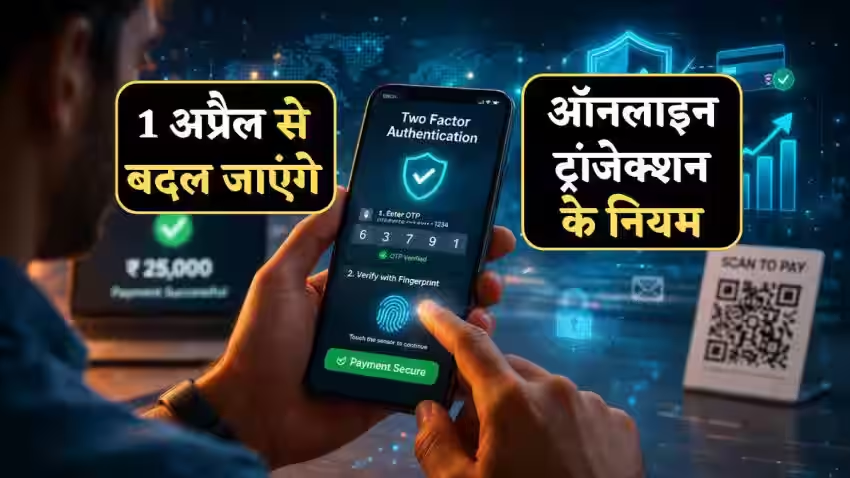
A significant change is set to take place in the realm of digital transactions starting April 1. This upcoming shift is crucial for users engaging in online payments, banking, and other digital financial activities. The government has introduced new regulations aimed at enhancing security and streamlining the process of digital transactions. As we approach this date, it is essential for individuals and businesses alike to understand these changes and take necessary precautions to ensure a smooth transition.
One of the key aspects of this new regulation is the implementation of stricter verification processes for digital transactions. Users may be required to provide additional authentication to complete their payments, which could include biometric verification or one-time passwords sent to their registered mobile numbers. This measure is intended to reduce the risk of fraud and unauthorized access to personal financial information. As a result, users should ensure that their mobile numbers and email addresses linked to their accounts are up-to-date to avoid any disruptions in service.
Furthermore, businesses that rely on digital payment platforms must also prepare for these changes. They may need to update their systems to accommodate the new regulatory requirements, which could involve investing in new technology or software. It is advisable for business owners to seek professional guidance on how to comply with these regulations effectively while also maintaining a seamless customer experience. Awareness and preparedness can significantly minimize potential issues that may arise during this transition period, ensuring that both consumers and merchants can continue to engage in digital transactions with confidence.
In summary, starting April 1, significant modifications to digital transaction protocols will be enforced. It is vital for users and businesses to familiarize themselves with these changes, implement necessary updates, and remain vigilant about security measures. By taking proactive steps, everyone can navigate this new landscape of digital transactions smoothly and securely.