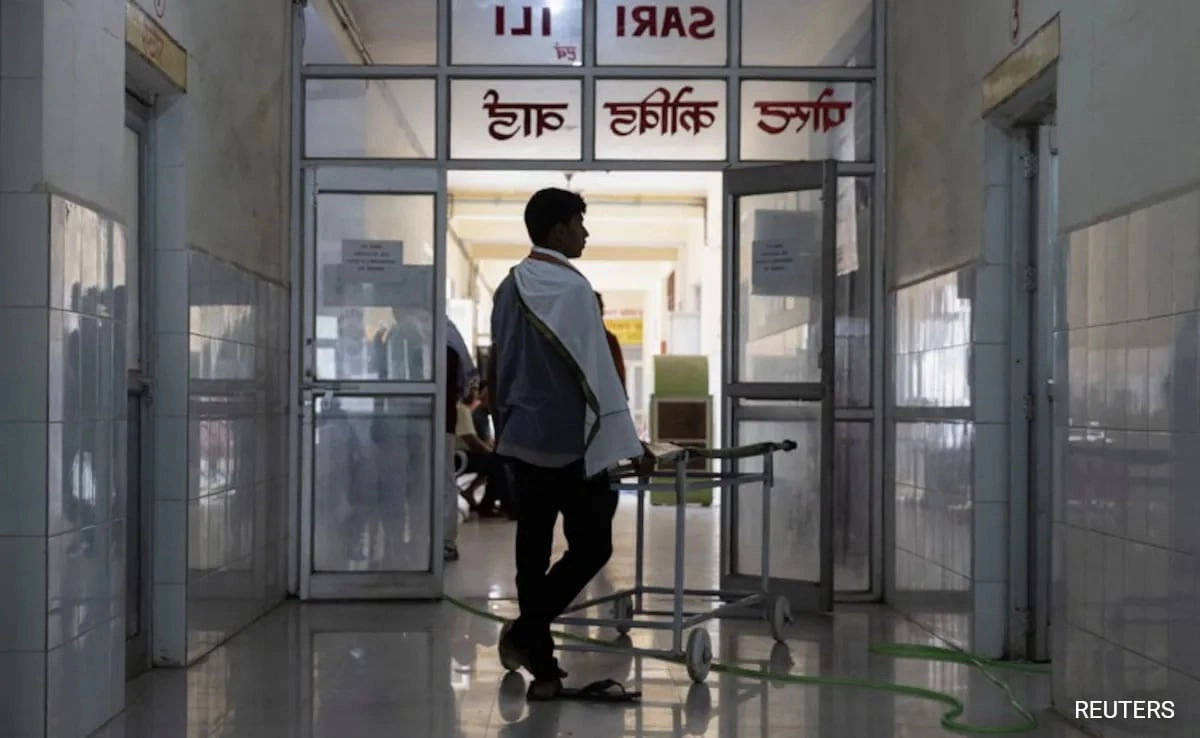
In a troubling incident in Madhya Pradesh, a doctor has been arrested for allegedly prescribing a cough syrup that has been linked to multiple deaths. The situation unfolded after health authorities began investigating a series of fatalities that raised red flags surrounding the use of the syrup. Reports indicate that the cough syrup was prescribed to several patients, leading to the unfortunate demise of some, prompting an urgent inquiry into its safety and efficacy. The authorities acted swiftly upon receiving complaints regarding the syrup, which not only raised concerns about its ingredients but also about the medical practices of the prescribing physician.
The arrest of the doctor has sparked a broader conversation about medical ethics and the responsibilities of healthcare professionals. Patients place their trust in doctors, expecting them to prescribe safe and effective treatments. When that trust is broken, it can lead to devastating consequences, as seen in this case. The investigation is not just limited to the doctor in question; it is likely to expand to include scrutiny of the pharmaceutical companies involved in the production and distribution of the cough syrup. Regulatory bodies are now faced with the critical task of ensuring that similar incidents do not occur in the future, emphasizing the need for stringent oversight of medication approvals and monitoring of adverse effects.
As the case unfolds, it serves as a sobering reminder of the potential dangers associated with the misuse of pharmaceuticals. The impact of this incident will likely resonate beyond Madhya Pradesh, highlighting the urgent need for reforms in how medications are prescribed and monitored. Patients, families, and healthcare professionals alike are calling for transparency and accountability to ensure that such tragedies do not recur. The consequences of this case extend beyond the immediate legal ramifications for the doctor; they also raise important questions about patient safety and the integrity of medical practices in the region.