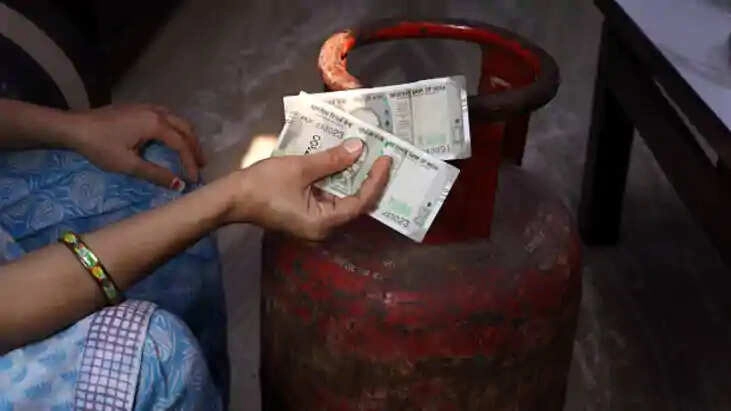
Today, the price of Liquefied Petroleum Gas (LPG) has crossed the ₹1000 mark for domestic cylinders, reflecting the ongoing impact of rising inflation. This increase has sent shockwaves through households across the country, as LPG is a vital fuel source for cooking in many Indian homes. The price surge not only affects low-income families but also places an additional financial burden on middle-class households that heavily rely on LPG for their daily cooking needs.
With the cost of essential commodities on the rise, many consumers are feeling the pinch. The hike in LPG prices could lead to a cascading effect on the overall cost of living, as families may need to adjust their budgets to accommodate this new expense. It is crucial for consumers to stay informed about the latest prices in their respective cities to manage their household expenditures effectively. Checking the current rates can help families plan their purchases and make necessary adjustments to their spending habits.
As inflation continues to be a pressing issue, government authorities and relevant agencies need to address the underlying causes of these price hikes. They must explore ways to stabilize fuel prices and provide relief to consumers, particularly in times of economic uncertainty. In the meantime, it is advisable for households to keep an eye on price fluctuations and consider alternative cooking methods or fuels where possible, to mitigate the impact of these rising costs. The situation calls for strategic planning and awareness to navigate the challenges posed by increasing inflation and fuel prices.