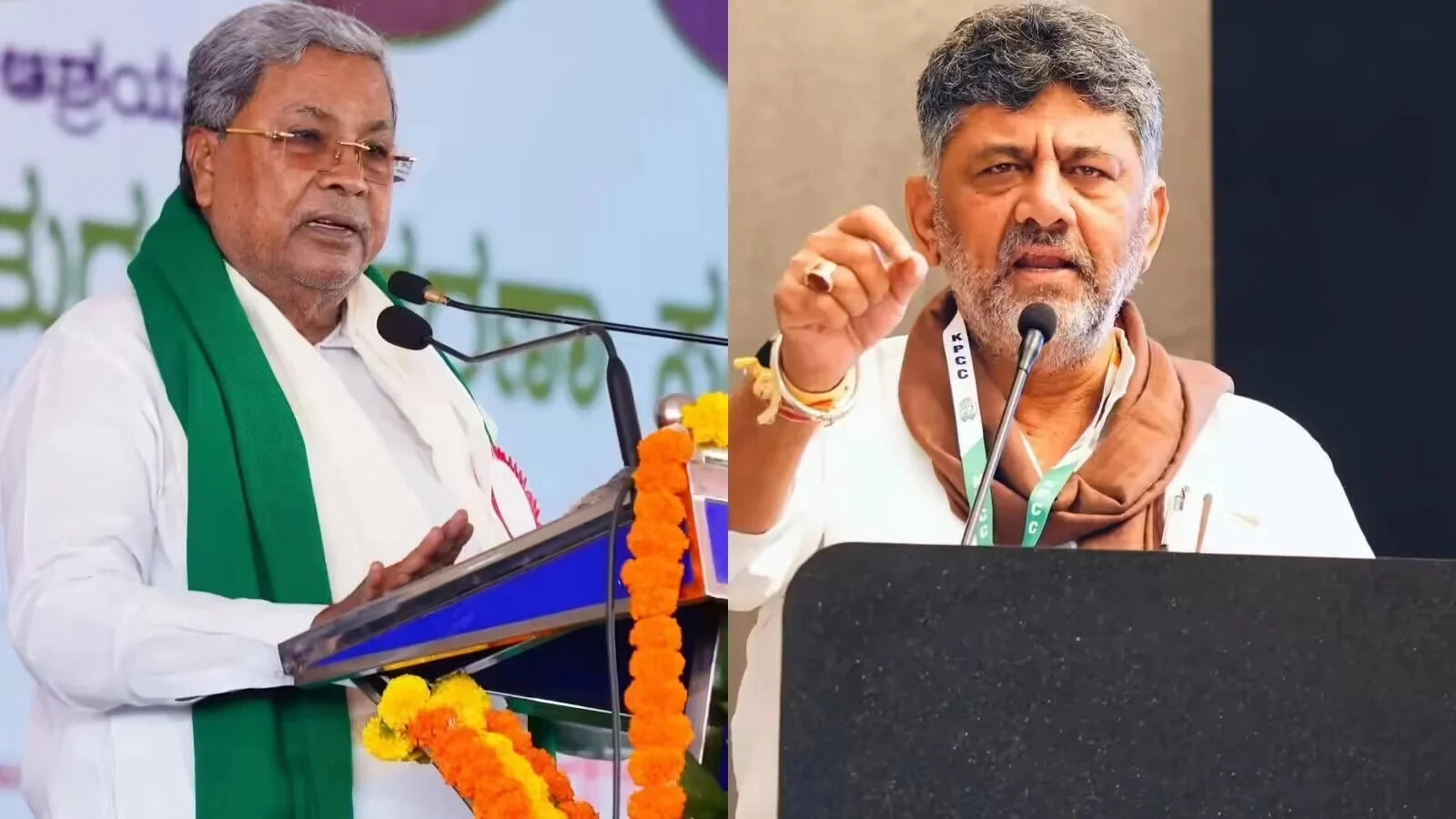
In a significant development in Karnataka politics, Chief Minister Siddaramaiah announced his resignation during a breakfast meeting, sparking a wave of activity within the Congress party. This unexpected announcement has created a stir among party members and supporters alike, as Siddaramaiah has been a prominent figure in the state’s political landscape. His decision to step down raises questions about the future direction of the Congress party in Karnataka and the potential implications for the state’s governance.
The timing of Siddaramaiah’s resignation is particularly noteworthy, as it coincides with a period of intense political maneuvering ahead of upcoming elections. The Congress party, which has been trying to solidify its position in Karnataka, now faces the challenge of finding a suitable successor who can maintain party unity and appeal to the electorate. Siddaramaiah’s leadership has been instrumental in shaping the party’s policies and strategies, making his departure a crucial turning point.
In the wake of the announcement, party leaders are likely to convene emergency meetings to discuss the next steps. There is a palpable sense of urgency as they seek to address the concerns of party workers and voters. The Congress party’s response to this development will be closely watched, as it may determine their ability to sustain momentum in the political arena. As the situation unfolds, the dynamics within the party and the broader implications for Karnataka’s political landscape will become clearer, highlighting the ever-evolving nature of regional politics in India.