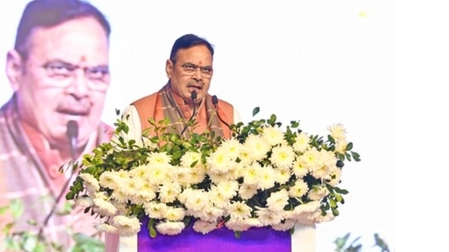
Rajasthan’s Chief Minister, Bhajanlal Sharma, has raised pertinent questions regarding the ongoing gas shortage in the state. He inquired whether this issue is confined solely to Rajasthan or if the state itself has played a role in exacerbating the crisis. His remarks come in the wake of criticism directed at the Congress party, suggesting that their governance and policies may have contributed to the current situation.
Sharma’s statements reflect a broader concern about the implications of gas shortages not only for Rajasthan but also for the neighboring regions. The Chief Minister emphasized that the issue of gas supply is complex and multifaceted, involving various factors such as infrastructure, resource management, and political decisions. He urged for a comprehensive examination of the circumstances leading to the shortage, rather than placing blame solely on the state’s administration.
In addressing the political ramifications of the gas crisis, Sharma’s comments underscore the need for accountability and transparency. The opposition, particularly the Congress party, has been vocal about the challenges faced by the citizens due to the scarcity of gas. However, Sharma contends that it is essential to look at the broader picture and consider external influences that may have impacted the availability of this critical resource.
Ultimately, the discourse surrounding the gas shortage in Rajasthan serves as a reminder of the interconnectedness of energy resources and governance. As the state navigates this challenge, it will be crucial for leaders to engage in constructive dialogue and seek collaborative solutions to ensure that the needs of the citizens are met effectively.