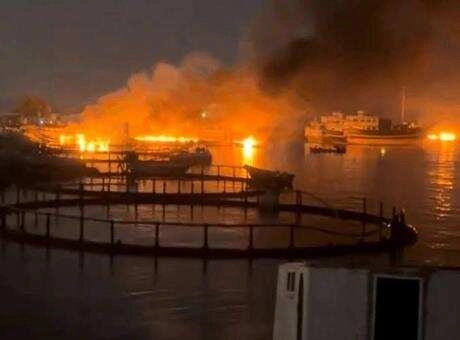
The tension between Iran and the United States has escalated significantly as a result of recent hostilities. In response to attacks on 140 U.S. locations, Iran has launched a counter-offensive, signaling a dramatic increase in military confrontations between the two nations. The situation has become increasingly volatile, with both sides engaging in actions that could lead to further escalation. This conflict not only affects the immediate region but also has implications for global security and diplomatic relations.
Recent videos have emerged showing Iranian forces targeting U.S. bases in Kuwait and Bahrain, highlighting the geographical spread of the conflict. These developments raise concerns about the safety of military personnel and the potential for broader conflict in the Middle East. The strategic positioning of American bases in these nations makes them key targets in Iran’s retaliatory actions, demonstrating the high stakes involved in this ongoing confrontation.
As tensions rise, the international community watches closely, aware that any miscalculation could result in a larger military engagement. The situation is complicated by existing alliances and the geopolitical interests of other nations in the region. Diplomatic efforts to de-escalate the situation are urgently needed, as the prospect of a wider conflict looms on the horizon. The actions taken by both Iran and the United States in the coming days will be crucial in determining the future of their relations and the stability of the Middle East.