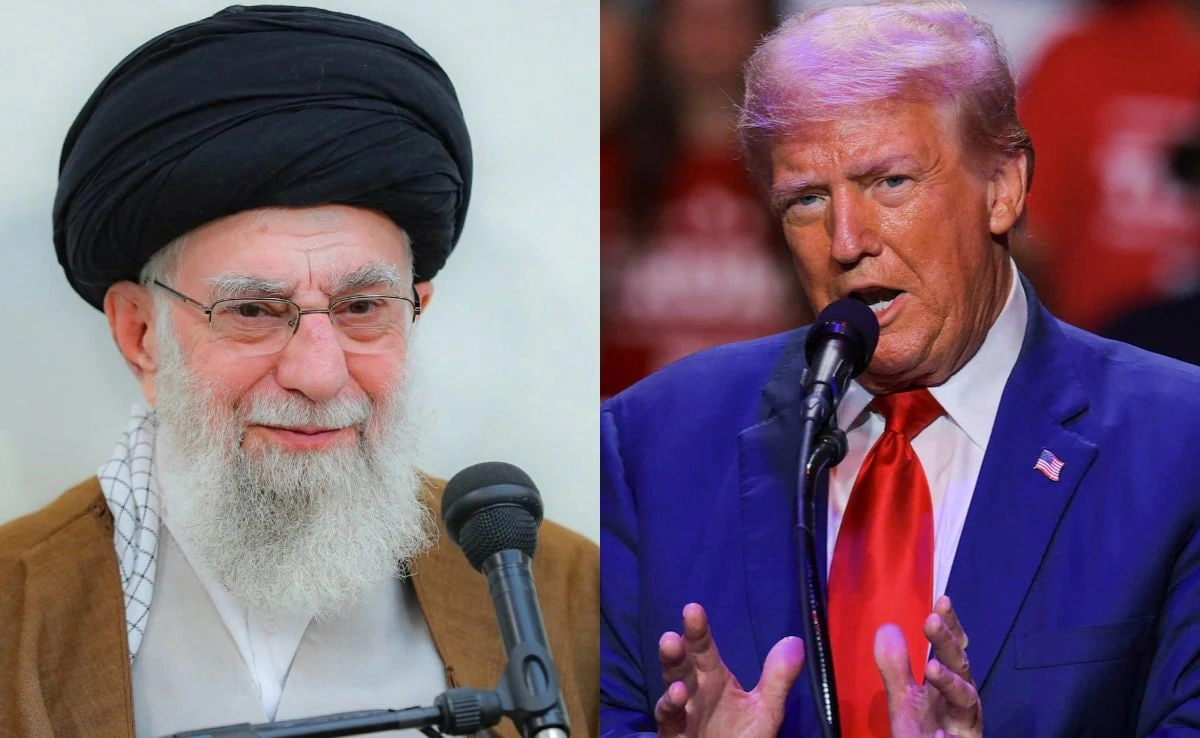
In a recent statement reflecting the escalating tensions between the United States and Iran, the Iranian military issued a stark warning directed at President Donald Trump, referring to him as a “gambler.” The message underscored Iran’s position that while the U.S. may initiate conflict, they maintain the resolve and capability to bring it to a decisive conclusion. This rhetoric is indicative of the fraught relationship that has characterized U.S.-Iran interactions for decades, particularly in the context of military posturing and geopolitical maneuvering in the Middle East.
The Iranian military’s comments come amid heightened concerns over military engagements and the potential for a broader conflict in the region. They emphasize Iran’s readiness to defend its sovereignty and interests against any perceived aggression. The use of the term “gambler” suggests a belief that the U.S. administration is recklessly engaging in provocative actions without fully understanding the potential consequences. For Iran, the stakes are high, and the message is clear: any war initiated by the U.S. will not only be met with resistance but will also be met with a determination to bring it to an end on their terms.
This exchange is part of a larger narrative of defiance that Iran has adopted in response to U.S. sanctions and military presence in the region. The Iranian leadership has consistently framed its military capabilities as a deterrent against foreign intervention, seeking to project strength and resilience. In this context, the warning to Trump serves as a reminder of the complexities involved in international diplomacy, where threats and counter-threats can rapidly escalate into real conflict. As both nations navigate this precarious relationship, the possibility of misunderstandings or miscalculations looms large, with the potential for severe consequences that could affect not only the region but global stability as well.
In summary, the Iranian military’s declaration illustrates a critical moment in U.S.-Iran relations, where military rhetoric and national pride intersect. The insistence that Iran will end any war started by the U.S. reflects a deep-seated conviction in their military strategy and sovereignty. As both sides continue to engage in this verbal sparring, the international community watches closely, aware that the implications of such statements could reverberate far beyond the borders of Iran and the United States. The enduring challenge lies in finding a path toward dialogue rather than conflict, a task that remains fraught with challenges as both nations grapple with their respective national interests and security concerns.