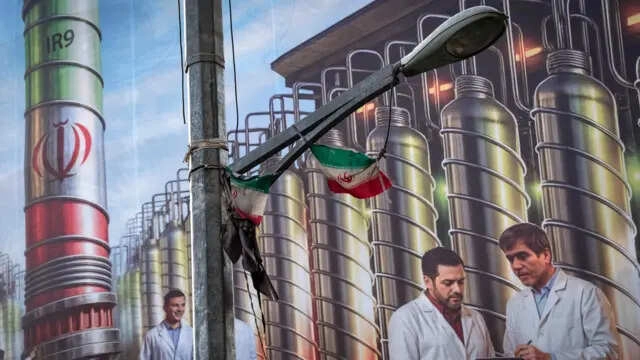
Iran has issued a stark warning to the United States, indicating that any military attack on its territory would be met with a nuclear response. This statement underscores the increasingly tense relations between the two nations, which have been fraught with conflict and suspicion for decades. Iran’s leaders have made it clear that they view any aggression against their country as a serious threat, and they are prepared to defend their sovereignty with all available means, including their nuclear capabilities.
The warning comes at a time when geopolitical tensions in the region are high, particularly with ongoing concerns about Iran’s nuclear program and its implications for regional security. The Iranian government has consistently maintained that its nuclear ambitions are for peaceful purposes, yet the United States and its allies have expressed skepticism, fearing that Iran could develop nuclear weapons. This situation has led to a series of sanctions and diplomatic efforts aimed at curbing Iran’s nuclear activities, but these measures have often been met with resistance and defiance from Tehran.
In light of these developments, analysts suggest that Iran’s warning may be a strategic move intended to deter any potential military action by the U.S. or its allies. By explicitly stating that it would respond with nuclear force, Iran aims to convey the seriousness of its stance and the potential consequences of any aggression. This rhetoric not only serves to rally domestic support but also seeks to send a clear message to international actors about Iran’s resolve to protect its national interests.
The situation remains precarious, with the potential for miscalculations or misunderstandings that could escalate into broader conflict. As both countries navigate this fraught landscape, the international community watches closely, hoping for a diplomatic resolution that can mitigate tensions and prevent the outbreak of hostilities. The prospect of nuclear engagement is a sobering reminder of the stakes involved, and it highlights the urgent need for dialogue and negotiation to address the underlying issues that fuel this longstanding rivalry.