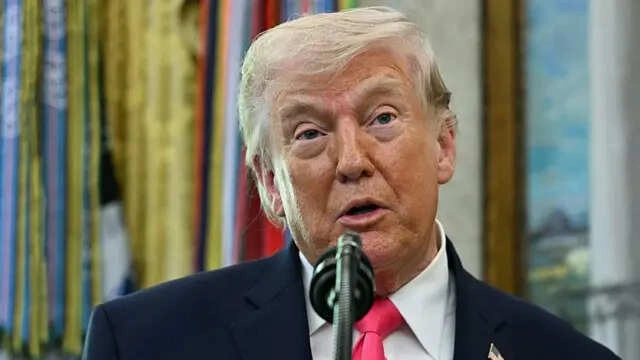
In the ongoing developments surrounding the Iran conflict, former President Donald Trump’s claims have been scrutinized and challenged repeatedly. Over the years, he has made numerous assertions about Iran’s actions and intentions, but many of these statements have been proven incorrect. As a result, there is growing skepticism regarding his latest remarks. With a history of being wrong 39 times on significant issues related to Iran, observers are questioning whether Trump is attempting to mislead the public once more.
The geopolitical landscape in the Middle East is complex, and any statements made by influential figures like Trump can have far-reaching implications. His past inaccuracies raise concerns about the reliability of his current statements, especially in the context of heightened tensions between the United States and Iran. Many analysts argue that misinformation can exacerbate conflicts and lead to unnecessary escalations. Therefore, it is crucial for the public and policymakers to approach Trump’s claims with caution and demand credible evidence before reacting.
As the situation develops, it remains essential to rely on verified information and expert analysis rather than sensationalized narratives. The international community is watching closely, and the stakes are high. Diplomatic efforts and negotiations are vital in preventing further conflict, and any misleading information could hinder those efforts. In light of Trump’s track record, it is imperative to remain vigilant and discerning about the information being presented, ensuring that responses to the Iran crisis are based on facts rather than conjecture.