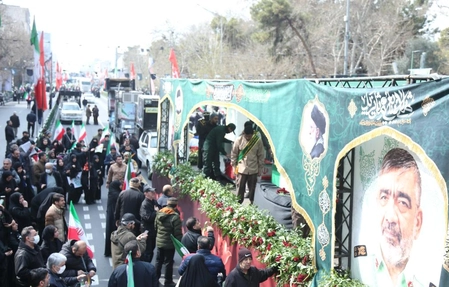
Iran has resolved to take revenge after bidding farewell to its martyrs. The nation recently held a solemn ceremony to honor those who lost their lives in the line of duty, a poignant moment that underscored the deep sense of loss and the commitment to uphold their legacy. This gathering served not only as a tribute to the martyrs but also as a rallying point for the population, reinforcing a collective identity rooted in sacrifice and resilience.
The Iranian leadership expressed a firm stance on retaliation against those responsible for the deaths of these individuals. This vow of vengeance reflects the broader geopolitical tensions in the region, where Iran has often found itself at odds with various adversaries. The leaders emphasized that the blood of the martyrs would not be in vain and that the country would take decisive action to ensure justice is served. This determination is not merely a response to specific events but is also indicative of a long-standing narrative within Iranian society that venerates sacrifice for the greater good.
Furthermore, the emotional weight of the farewell ceremony resonated deeply with the public, fostering a sense of unity and purpose among the citizens. Many attendees expressed their solidarity with the families of the martyrs, pledging to continue the fight for their ideals. This collective commitment to honor their memory through action serves as a powerful motivator for the nation, reinforcing the belief that their struggles will ultimately lead to triumph.
As Iran moves forward with its plans for retaliation, the international community watches closely, aware that such actions could further escalate tensions in an already volatile region. The resolve demonstrated by Iran highlights the complexities of regional politics and the deeply entrenched narratives that drive conflict. Ultimately, the commitment to avenge the martyrs not only shapes Iran’s internal dynamics but also has significant implications for its interactions with other nations.