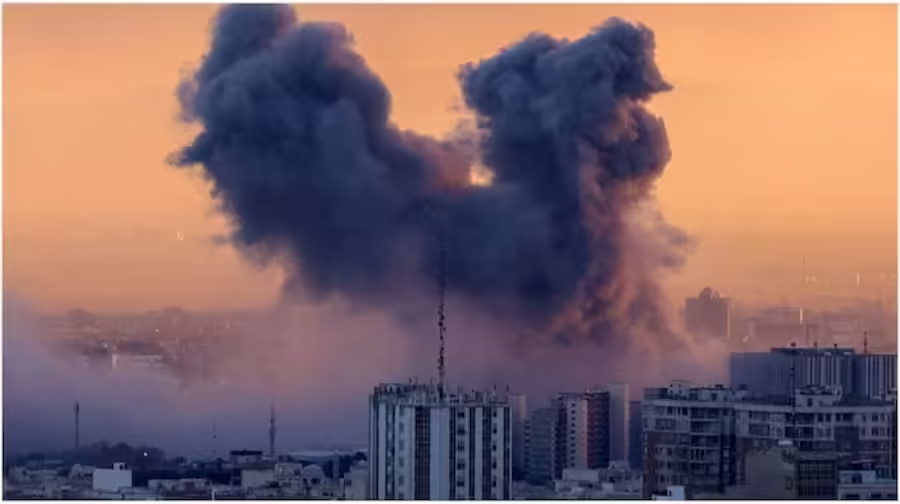
Despite a stern warning from Trump, Iran has launched a significant attack, targeting a Kuwaiti airbase with missile strikes. This aggressive action has resulted in injuries to 15 American soldiers stationed at the base. The escalation of tensions between the United States and Iran has been a pressing concern for global security, particularly as both nations have engaged in a war of words and military posturing over recent years.
Trump’s administration has consistently taken a hardline stance towards Iran, emphasizing the need for strict measures to deter any potential aggression from the Iranian government. The recent missile attacks, however, demonstrate Iran’s willingness to confront U.S. forces directly, which raises questions about the effectiveness of diplomatic measures and military deterrents in the region. The injuries sustained by American personnel highlight the immediate risks involved in the ongoing conflict and the precarious nature of U.S. military presence in the Middle East.
As the situation unfolds, there are growing fears of a broader conflict that could draw in other nations and destabilize the region further. The international community is closely monitoring the developments, as any significant retaliation or escalation could lead to severe consequences not just for the U.S. and Iran, but for global peace and security. The need for diplomatic solutions and dialogue has never been more critical, as both sides grapple with the ramifications of their actions and the potential for further military engagements.