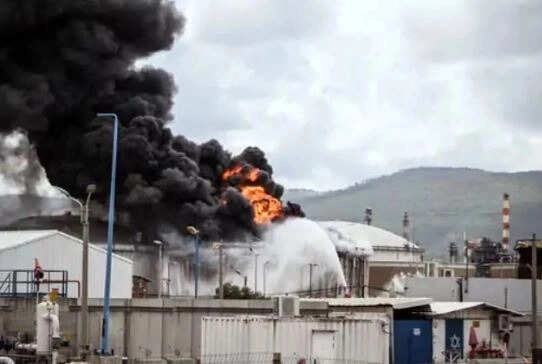
The conflict involving Iran, Israel, and the United States has now entered its 31st day, marking a significant escalation in tensions in the region. Recent developments have intensified concerns about the ongoing hostilities, particularly following an incident at Mashhad Airport in Iran, where an aircraft was reportedly damaged in an American airstrike. This attack highlights the precarious situation in the area and raises questions about the potential for further military engagement.
In response to the evolving situation, the European Union has decided to extend sanctions against Iran for an additional year. This move reflects the EU’s ongoing commitment to addressing issues related to Iran’s nuclear program and its role in regional destabilization. The sanctions are part of a broader strategy to exert pressure on Tehran to comply with international norms and to curtail its military ambitions, especially in light of its recent confrontations with both Israel and the United States.
As the conflict continues, the international community remains vigilant, closely monitoring the developments in the region. The implications of this prolonged struggle are significant, not only for the countries directly involved but also for global security dynamics. The potential for escalation remains, as each side reassesses its strategies and prepares for possible future confrontations. The situation is fluid, and the ramifications of these actions will likely be felt far beyond the immediate area, affecting diplomatic relations and geopolitical stability worldwide.