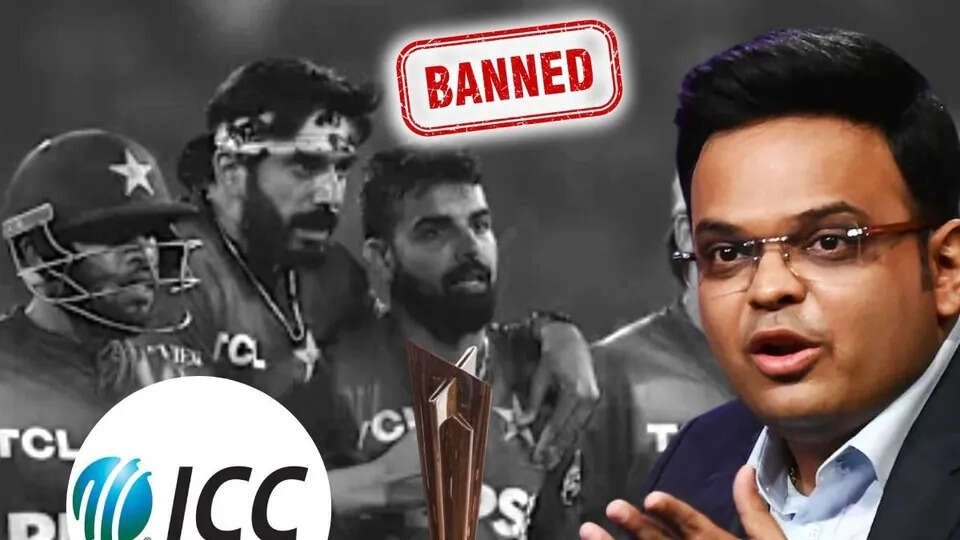
India’s refusal to play against Pakistan in cricket has significant repercussions for the Pakistan Cricket Board (PCB) and the entire national team. The International Cricket Council (ICC) has taken a hard stance on the issue, which could potentially lead to dire consequences for Pakistan cricket. The rivalry between India and Pakistan is one of the most celebrated and intense in the world of sports, particularly in cricket. Matches between these two nations draw massive audiences and generate substantial revenue through ticket sales, broadcasting rights, and sponsorships.
When India opts out of a series or tournament against Pakistan, it not only affects the immediate financial gains but also has long-term implications for the PCB. The lack of competitive matches can result in diminished visibility on the global stage, affecting the morale of the players and the overall growth of cricket in the country. The ICC’s actions may lead to sanctions or restrictions that could cripple Pakistan cricket further. This situation can be detrimental, as it might limit opportunities for players to showcase their talents and gain experience in high-pressure matches.
Moreover, the impact of India’s refusal to play goes beyond finances; it affects the spirit of competition and camaraderie that cricket fosters. The sport has the power to unite people, and the rivalry between India and Pakistan is often seen as a representation of larger socio-political dynamics. By not participating in these matches, both countries miss out on the chance to build bridges and foster goodwill through sportsmanship. The PCB must navigate this challenging landscape carefully, seeking alternative ways to engage with other cricketing nations while hoping for a resolution that allows for the revival of this iconic rivalry. Failure to do so could result in a significant setback for Pakistani cricket in the coming years.