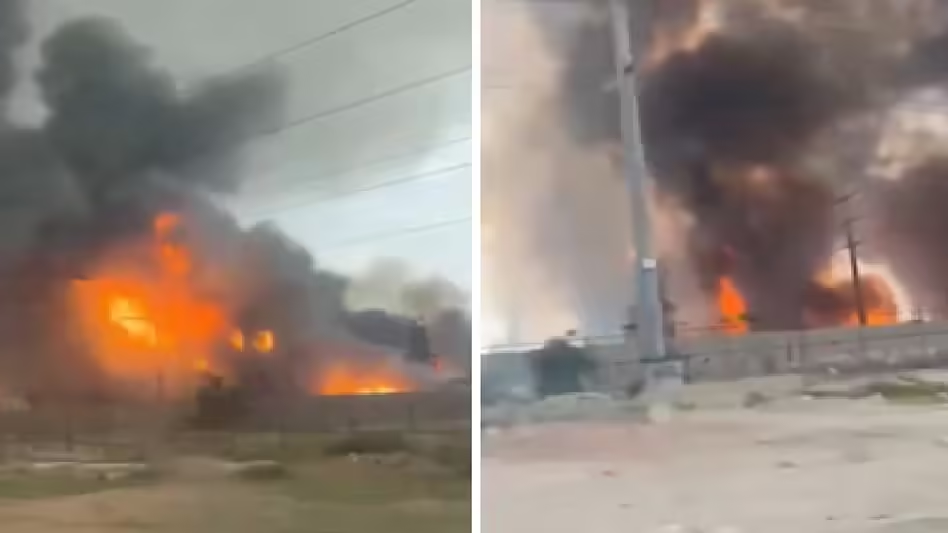
A looming crisis is on the horizon following attacks on gas facilities in Saudi Arabia, Qatar, and the UAE, raising global concerns. The incidents have triggered alarm bells among nations that rely heavily on energy supplies from this region. The Middle East is a vital hub for natural gas production, and any disruption in this sector can have far-reaching implications for energy prices and global markets. Experts fear that such attacks could escalate tensions in an already volatile region, potentially leading to a broader conflict.
The attacks have not only affected the immediate region but have also sent shockwaves through international markets, causing fluctuations in gas prices and raising fears of supply shortages. Countries around the world are monitoring the situation closely, as any further escalation could severely impact energy-dependent economies. The situation highlights the fragility of the global energy supply chain and the interconnectedness of nations in energy security.
In response to the attacks, governments and energy companies are reevaluating their security measures and considering diversifying their energy sources to mitigate risks. There is a growing emphasis on the need for diplomatic efforts to stabilize the region and ensure the safety of critical energy infrastructure. The international community is urged to come together to address these threats and work towards a peaceful resolution, as the stability of energy supplies is essential for global economic stability.
As nations grapple with the implications of these attacks, it becomes clear that maintaining energy security is not just a regional issue but a global concern. The world is watching closely, hoping for a swift resolution to prevent further escalation and safeguard the energy supply chain that is crucial for economies worldwide.