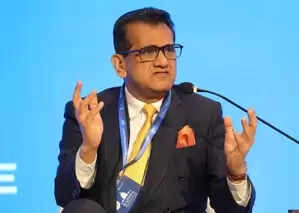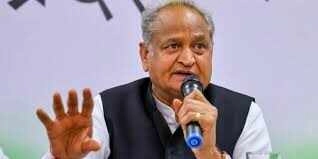
In response to Chief Minister Ashok Gehlot’s statements, Union Minister Gajendra Singh Shekhawat has vehemently countered, attributing the ongoing drinking water crisis in Rajasthan to the failures of the previous government. During a video statement, Shekhawat emphasized that the current administration must acknowledge its shortcomings and take responsibility for the dire situation regarding drinking water supply in the state. He pointed out that the previous government’s policies and lack of foresight have significantly contributed to the challenges faced by residents, particularly in rural areas where access to clean drinking water remains a persistent issue.
Shekhawat’s remarks come amid rising tensions over water scarcity in Rajasthan, a state that has been grappling with severe drought conditions and inadequate water management strategies. He argued that rather than shifting blame onto the central government or past administrations, the state government should focus on implementing effective solutions and improving infrastructure to ensure a reliable supply of potable water to all citizens. This call for accountability and action highlights the urgent need for collaborative efforts to address the water crisis, which has been exacerbated by climate change and population growth.
Moreover, Shekhawat’s comments reflect a broader political discourse in Rajasthan, where water scarcity has become a critical issue influencing public sentiment and political dynamics. As the state prepares for upcoming elections, the management of natural resources like water will likely play a pivotal role in shaping voter priorities and party strategies. By framing the water crisis as a legacy issue of the previous government, Shekhawat aims to position the current administration as failing to deliver on its commitments, thereby galvanizing public support for the ruling party’s initiatives in water management and infrastructure development.
In conclusion, the exchange between Gehlot and Shekhawat underscores the complexities of governance in Rajasthan, where environmental challenges intersect with political narratives. As the state seeks to find sustainable solutions to its water woes, it will be crucial for leaders to engage in constructive dialogue and prioritize the welfare of citizens over political point-scoring. The future of Rajasthan’s water supply hinges on the ability of its leaders to work together and implement effective strategies that address both immediate needs and long-term sustainability.