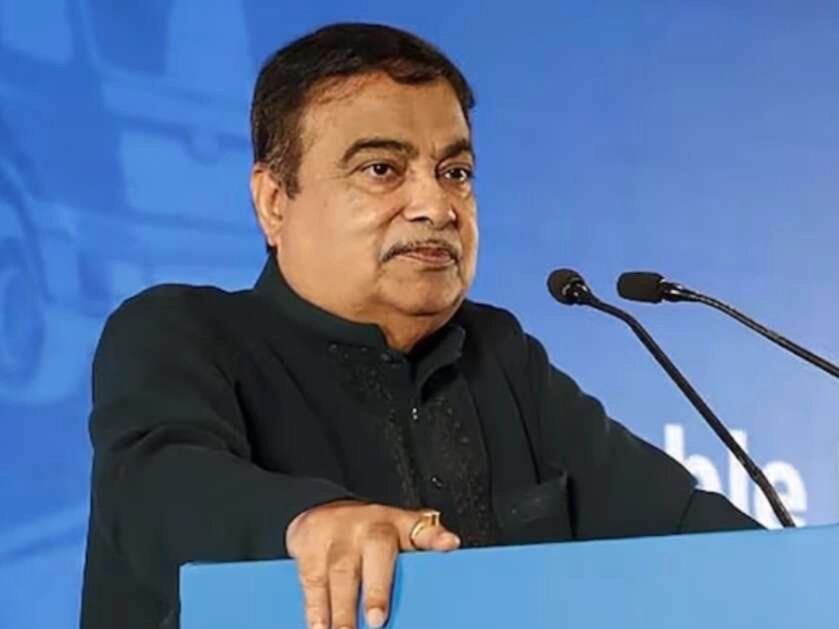
In a recent development concerning the E20 fuel controversy, Union Minister Nitin Gadkari has submitted an affidavit to the court, addressing the allegations surrounding his involvement in the promotion of ethanol blending. In a video that has circulated widely on social media, Gadkari explicitly stated that he has no connection to ethanol blending, which has become a contentious topic amidst discussions on alternative fuel sources and environmental sustainability. The video has raised eyebrows and led to significant public discourse, prompting Gadkari to take legal action against what he describes as a deepfake video that misrepresents his stance and statements.
Gadkari’s affidavit highlights his commitment to transparency and accountability in the ongoing discussions about E20 fuel, which contains a blend of 20% ethanol and 80% gasoline. He emphasizes that while the government is exploring various avenues to enhance fuel efficiency and reduce pollution, he personally does not endorse any specific blend or strategy that could be misconstrued. The minister’s proactive legal measures aim to address the misinformation spread by the deepfake video, which he argues could mislead the public and undermine the government’s initiatives toward greener fuel alternatives.
Moreover, the controversy surrounding E20 fuel raises broader questions about the role of technology in shaping public perception and the ethics of digital content creation. Gadkari’s situation illustrates the challenges politicians face in an era where misinformation can spread rapidly through social media platforms. By taking a stand against the deepfake video, Gadkari not only defends his reputation but also sends a clear message about the importance of accurate information in discussions related to energy policies and environmental initiatives. As the case unfolds, it will be essential to observe how legal frameworks adapt to tackle the challenges posed by evolving digital technologies and their implications for public discourse.