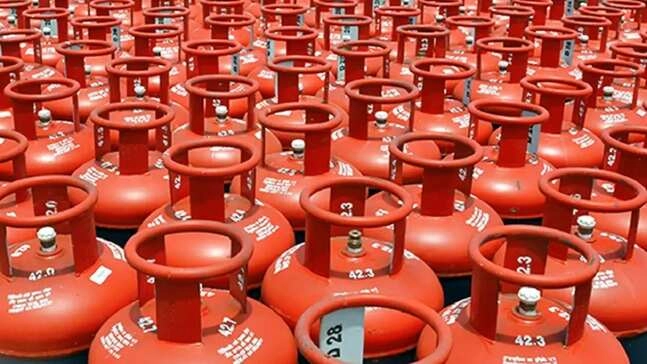
In light of the looming gas crisis in the country, the government has decided to implement the Emergency Gas Allocation (ECA) policy. This initiative aims to prioritize the supply of natural gas to essential sectors first, ensuring that industries and services crucial for public welfare and economic stability are not adversely affected. The decision comes amid concerns over dwindling gas reserves and increasing demand, which have raised alarms about potential shortages in the near future.
The ECA is designed to manage the distribution of gas efficiently, focusing on sectors that are vital for the nation’s infrastructure and economy. This includes industries such as power generation, healthcare, and essential manufacturing. By prioritizing these sectors, the government seeks to mitigate the impact of any gas supply disruptions on everyday life, ensuring that hospitals remain operational, power plants can continue functioning, and essential goods can still be produced.
Moreover, the implementation of the ECA reflects a proactive approach to resource management during a time of uncertainty. It is crucial for the government to take measures that will not only address immediate concerns but also lay the groundwork for a more resilient energy strategy in the future. By fostering a stable supply chain for gas to primary sectors, the government hopes to instill confidence in both the market and the public, minimizing panic and promoting a sense of security in an otherwise challenging situation.
As the situation develops, stakeholders will be closely monitoring the effectiveness of the ECA and its impact on various sectors of the economy. Ensuring that essential services have uninterrupted access to gas will be vital in navigating the potential crisis and safeguarding the nation’s economic health. The government’s commitment to prioritizing gas supply for critical sectors underscores the importance of strategic planning in managing natural resources amid growing demands and unforeseen challenges.