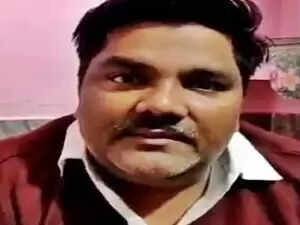
Tahir Hussain, who is accused in connection with the Delhi riots, has been granted interim bail for medical reasons. This relief comes as he requires surgery, which he could not undergo while being held in custody. The court’s decision reflects an understanding of the necessity of medical treatment, especially in cases where the individual’s health is at risk. This interim bail allows Hussain to seek the necessary medical attention without the constraints of imprisonment.
The case surrounding the Delhi riots has drawn significant attention, with various individuals implicated in the violence that erupted in February 2020. The riots were marked by widespread chaos and have had far-reaching implications for the community and the country at large. The legal proceedings related to these riots are complex, involving multiple defendants and various charges. In this context, the granting of interim bail to Hussain for surgery highlights the judicial system’s recognition of human rights, even amidst serious allegations.
Hussain’s situation raises questions about the broader implications of the riots and the ongoing legal processes. The interim bail could potentially set a precedent for how similar cases are handled in the future, particularly regarding the health and welfare of the accused. As the legal proceedings continue, the focus will remain on achieving justice while ensuring that the rights of all individuals involved are respected, including their right to health care. This balance is crucial in maintaining public trust in the judicial system during times of social unrest and political tension.